
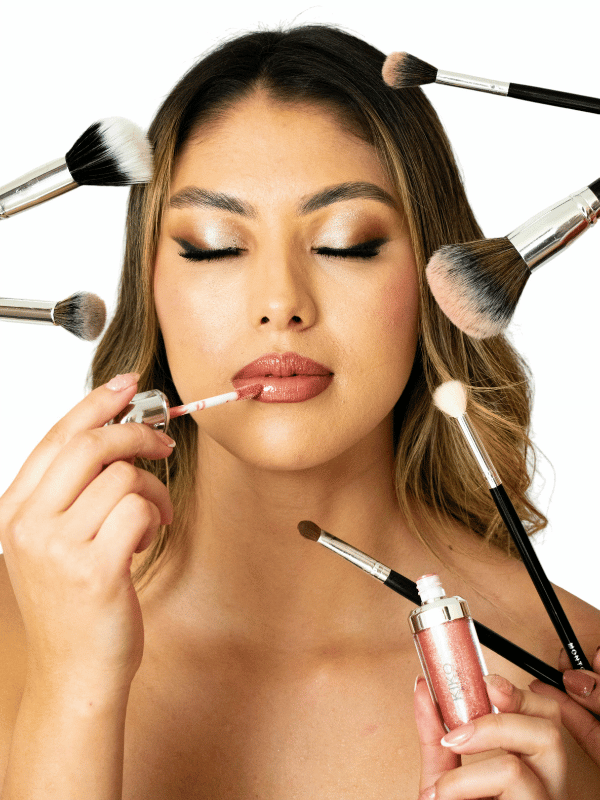


When you think about the ingredients in your makeup, you probably think about things like foundation, oils, or maybe even fragrance. But what about the ingredients that give your favorite lipstick, blush, or eyeshadow its color?
If you’ve ever flipped over a makeup product and spotted something like Red 40 Lake or Blue 1 Lake, you’ve come across a synthetic colorant that you might not know much about.
Lake dyes are commonly used in cosmetics to create those pretty pinks, bold reds, and vibrant shades we see everywhere. But just because they’re common doesn’t mean we should overlook them.
What Are Lake Dyes?
Lake dyes are synthetic colorants used to give makeup its color. They’re made by combining a water-soluble dye with an insoluble substance, usually an aluminum-based salt, to create a pigment that doesn’t dissolve in water.
Unlike regular dyes, which dissolve in liquids, lake dyes remain suspended in a product. This makes them especially useful in cosmetics such as:
- Lipstick and lip gloss
- Blush and bronzer
- Eyeshadow
- Pressed powders
You might recognize them on ingredient labels as:
- Red 40 Lake
- Red 6 Lake
- Blue 1 Lake
- Yellow 5 Lake
Why Are Lake Dyes Used in Makeup?
Manufacturers want products that deliver vibrant shades, apply evenly, and maintain their color over time. Lake dyes help make that happen.
Here are a few reasons you’ll find them in everything from lipstick to eyeshadow:
- They create vibrant colors: Lake dyes produce bright, bold shades that are difficult to achieve with some other pigments.
- They work well in oil-based products: Because lake dyes don’t dissolve in water, they’re especially useful in products like lipstick and cream makeup.
- They provide consistent color: Manufacturers can create repeatable shades from batch to batch, so your favorite lipstick looks the same each time you buy it.
- They’re cost-effective: Synthetic colorants are often less expensive and easier to source than certain alternative pigments.
What it comes down to… Lake dyes are a convenient, low-cost option for cosmetic manufacturers. They offer the color payoff and consistency shoppers expect while keeping production costs manageable.
But if you’re trying to be more intentional about the ingredients in your makeup, convenience isn’t the only thing worth considering. It’s also important to understand what those colorants are and potential concerns about using them, especially on your face every day.
Why Are Lake Dyes a Concern in a Toxin-Free Beauty Routine?
If you’re trying to clean up your beauty routine, synthetic colorants are worth putting on your radar. Lake dyes are commonly used in conventional cosmetics, but many are made from petroleum-derived ingredients. That doesn’t automatically make every lake dye dangerous, but it does raise questions about the ingredients we choose to put on our skin every day.
Here are a few reasons you may want to think twice about lake dyes when shopping for makeup.
Petroleum-Derived Ingredients and Manufacturing Impurities
Many synthetic colorants in cosmetics are made from petroleum-derived raw materials. During production, these materials undergo chemical reactions to create the final dye. Depending on the manufacturing process, this can leave unwanted residual chemicals and other impurities that must be removed or kept within established limits.
Some impurities are important from a health perspective. For example, the FDA identifies certain unsulfonated aromatic amines, including benzidine, aniline, and 4-aminobiphenyl, as compounds of toxicological concern. Some aromatic amines are known carcinogens, so manufacturers must evaluate whether these substances could be present during colorant production.
Heavy metals are another consideration. FDA specifications for color additives can include limits on lead, arsenic, and mercury, along with requirements for controlling other impurities and manufacturing byproducts.
This doesn’t mean every petroleum-derived dye contains these contaminants. The FDA requires certain synthetic color additives to undergo batch certification, including testing for composition and purity, before they can be used in cosmetics.
That’s why manufacturing processes and ingredient purity matter. If you’re trying to reduce unnecessary synthetic ingredients in your beauty routine, choosing cosmetics made with alternative colorants is the best option.
Questions About Long-Term Exposure to Lake Dyes
One thing to consider when choosing makeup is how often you’re using certain ingredients. Think about how many products you apply every morning:
- Foundation
- Concealer
- Blush
- Lipstick
- Eyeshadow
- Mascara
- Eyeliner
If those products contain synthetic colorants and you wear makeup every day, you have much higher exposure. That’s an important part of how researchers evaluate the safety of cosmetic ingredients.
When assessing a color additive, researchers consider several factors:
- How much is used: The concentration of a color additive in a finished cosmetic product helps determine potential exposure.
- Where it’s applied: A pigment used in eyeshadow has a different exposure profile than one used in lipstick, where some product may be unintentionally swallowed.
- How frequently it’s used: Daily application over several years creates a different exposure pattern than occasional use.
- How the body interacts with it: Researchers consider whether an ingredient stays on the skin’s surface, penetrates the skin, or can enter the body through other routes.
The FDA considers anticipated exposure, ingredient composition, and impurity levels when evaluating proposed cosmetic color additives. It also establishes specific restrictions for where certain colorants can be used, so not every approved color additive is permitted in products intended for the lips or eye area.
That’s why you should look beyond whether an ingredient is technically approved for use. Understanding how much you’re exposed to, where you’re exposed to it, and what research says about its safety can help you make more informed decisions about the products you use every day.
Ingredient Transparency
Cosmetic ingredient labels don’t always make it easy to understand what you’re actually looking at. Color additives may appear under names like FD&C Red No. 40, Red 40, or Red 40 Aluminum Lake. If you don’t know what those names mean, it’s easy to overlook them entirely.
In the United States, cosmetic manufacturers are required to list ingredients on retail products, including color additives, but color additives can be listed regardless of their concentration. Their position on an ingredient list doesn’t necessarily tell you how much is present.
A few things worth understanding when reading makeup labels:
- Different names can refer to related colorants: A dye and its corresponding lake pigment aren’t necessarily interchangeable. For example, Red 40 and Red 40 Aluminum Lake are related color additives, but they have different physical properties.
- The ingredient list doesn’t tell you everything about purity: A label identifies the color additive, but it doesn’t provide a breakdown of manufacturing impurities or individual batch-testing results.
- FDA certification has a specific meaning: Certain synthetic color additives must undergo FDA batch certification, which involves testing their composition and purity. However, not every color additive is subject to this same batch-certification requirement.
You can’t rely solely on a product’s front label or marketing claims. Words like clean, natural, and non-toxic don’t tell you which colorants are being used or how they fit into your ingredient standards.
The more familiar you become with cosmetic ingredient names, the easier it is to recognize what you’re buying and decide whether it belongs in your beauty routine.
How to Find Lake Dyes on Makeup Ingredient Labels
Once you know what lake dyes are, the next step is learning how to spot them in your makeup. Unfortunately, cosmetic ingredient lists aren’t always the easiest to decipher. Color additives can use several naming conventions, and you might not recognize them right away if you aren’t familiar with cosmetic ingredients.
When checking your lipstick, blush, eyeshadow, or other colored cosmetics, look for:
- Red 40 Lake: Also listed as Red 40 Aluminum Lake or FD&C Red No. 40 Aluminum Lake.
- Red 6 Lake: May appear as D&C Red No. 6 or Red 6 Aluminum Lake.
- Blue 1 Lake: Also known as FD&C Blue No. 1 Aluminum Lake.
- Yellow 5 Lake: May appear as FD&C Yellow No. 5 Aluminum Lake.
These are just a few examples. You’ll also see other numbered color additives followed by the word Lake.
BUT you won’t always see the words “lake dye” written exactly that way. Cosmetic colorants can be listed using their full FDA names, shortened names, or alternative ingredient names.
A few other things to keep in mind when reading labels:
- Look for FD&C and D&C: These prefixes identify categories of regulated color additives. For example, you may see FD&C Red No. 40 and D&C Red No. 6 on cosmetic labels.
- Watch for the word “Aluminum Lake”: This identifies a lake form of a color additive. You might see names like D&C Red No. 27 Aluminum Lake or FD&C Blue No. 1 Aluminum Lake.
- Check the end of the ingredient list: Cosmetic color additives can be listed after the other ingredients, regardless of their concentration. You may also find additional colorants listed after a “May Contain” statement when they’re used to adjust shades across a product line.
- Don’t assume every numbered colorant is a lake: A name like Red 40 identifies a color additive, but Red 40 Lake identifies its lake form. They’re related, but not interchangeable.
If you’re unsure about an ingredient, you can look it up in the FDA’s list of color additives permitted for use in cosmetics.
Are There Alternatives to Lake Dyes in Makeup?
If you’ve decided to avoid certain synthetic colorants in your beauty routine, you might wonder what other options are available that still deliver beautiful color.
Cosmetics use several alternative colorants, including mineral-based pigments and plant-derived ingredients.
Mineral-Based Pigments
Mineral pigments are commonly used in cosmetics to create everything from earthy browns to vibrant reds and yellows.
Some examples include:
- Iron oxides: Used to create red, yellow, brown, and black shades in foundations, blushes, eyeshadows, and other cosmetics.
- Mica: A naturally occurring mineral that adds shimmer, sparkle, and a reflective finish to makeup.
- Titanium dioxide: A white mineral pigment used to add opacity, brighten colors, and provide coverage.
These ingredients can be useful alternatives to certain synthetic colorants, although they aren’t interchangeable with every lake dye. Mineral pigments also need to meet appropriate purity standards, particularly when it comes to potential heavy metal contamination.
Plant-Derived Colorants
Some cosmetics use pigments and colorants sourced from plants, fruits, and other natural materials. Depending on the formulation, these are another way to add color without relying on certain petroleum-derived synthetic dyes.
Examples include:
- Annatto: A plant-derived colorant from the seeds of the achiote tree. It produces yellow to orange-red shades.
- Beta-carotene: A naturally occurring pigment found in plants such as carrots and sweet potatoes. It produces yellow-orange coloring.
- Beet-derived pigments: Beetroot contains natural red pigments called betalains, which are used in some cosmetic formulations.
- Carmine: A red pigment made from cochineal insects. While it isn’t plant-derived or vegan, it’s an alternative to some synthetic red colorants.
Not every botanical colorant suits every makeup formulation. Some are less stable when exposed to light, heat, or pH changes, which can make it hard to maintain consistent color in the finished product.
My Favorite Makeup Brands Without Synthetic Lake Dyes
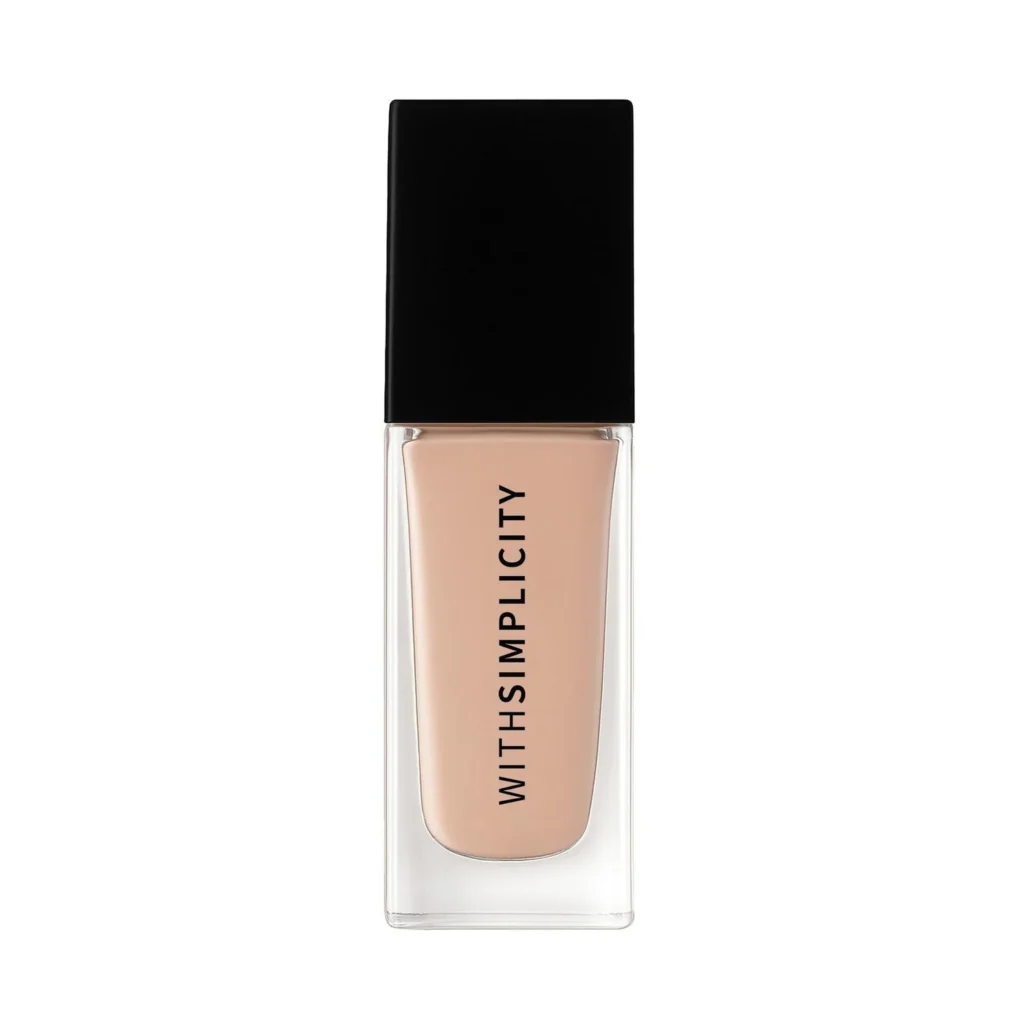
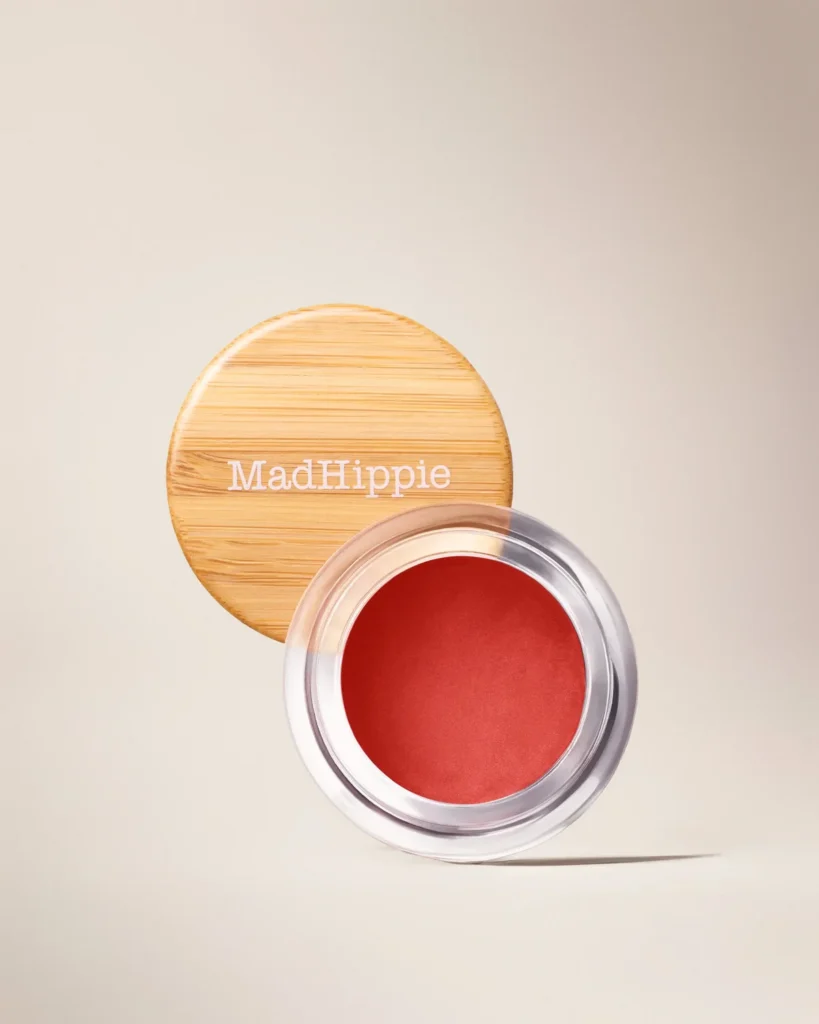
Plenty of beauty brands offer alternatives to conventional synthetic colorants without sacrificing beautiful shades or performance. These are some of my favorite makeup options that skip synthetic lake dyes.
- withSimplicity (code WENDY to save 15%)
- Araza (code WENDY to save 15%)
- Ogee
- withSimplicity (code WENDY to save 15%)
- Toups & Co. (save 10% with this link)
- Mad Hippie
Eyes:
- withSimplicity (code WENDY to save 15%)
- Inika
- Ere Perez
Lips:
- Araza (code WENDY to save 15%)
- MG Naturals
- Crunchi
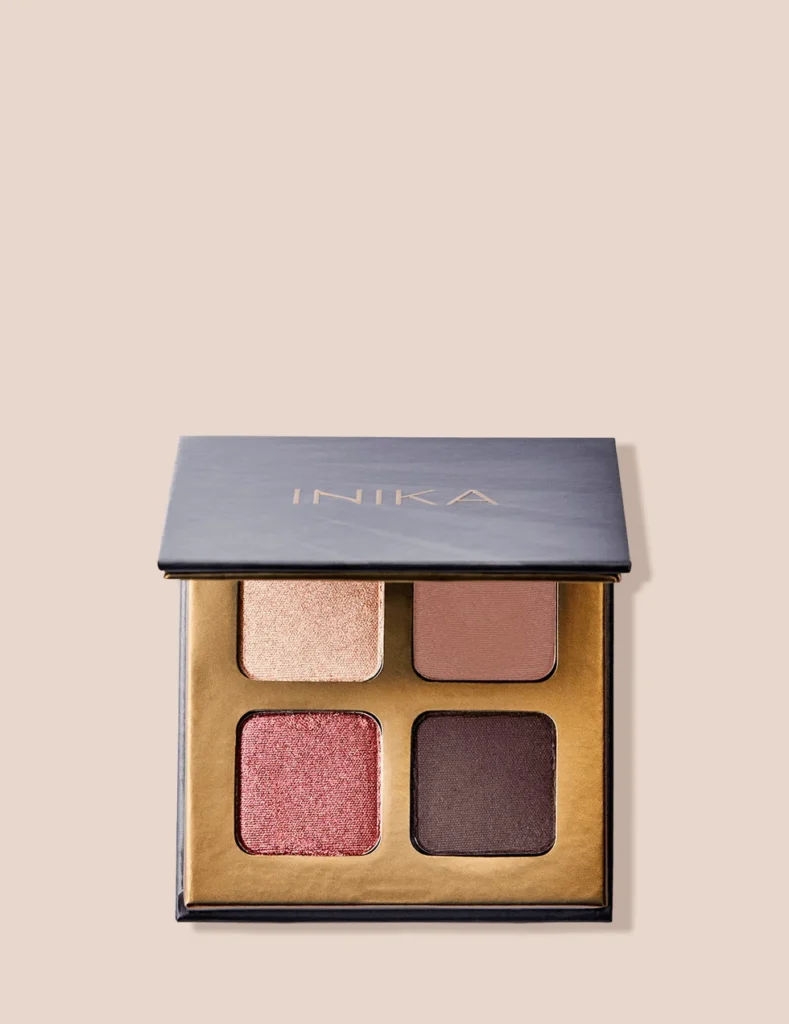
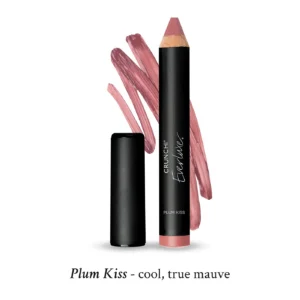
A Little More Awareness Goes a Long Way
Don’t toss your entire makeup bag, but make cleaner choices when you run out of a product. Recognize a few unfamiliar ingredients and take the time to understand why they may not align with your toxin-free(ish) lifestyle.
Lake dyes are just one example of the synthetic colorants hiding in everyday makeup products. If you’re ready to be a little more intentional about the cosmetics you use, look for products that use colorants you feel more comfortable with.
And if you don’t want to spend hours researching every lipstick and eyeshadow palette, I’ve rounded up some of my favorite options in my Toxin Freeish cosmetics guide. Because finding makeup you love and feel good about using shouldn’t have to be so complicated!

+ show Comments
- Hide Comments