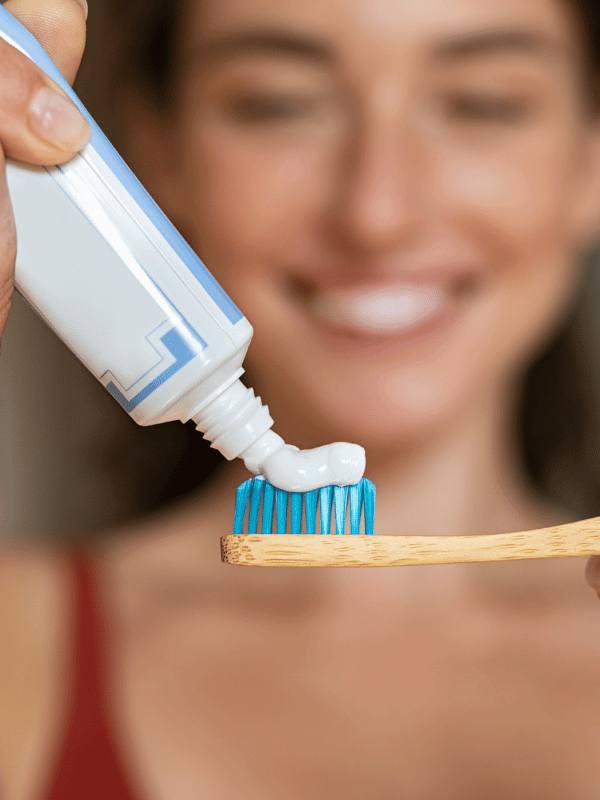


If you’ve been looking into non-toxic toothpaste, you may have seen claims that glycerin coats your teeth and prevents remineralization. Since glycerin is a common ingredient in conventional toothpaste, you may wonder whether the toothpaste you’ve been using is helping your teeth or potentially doing more harm than good.
The truth is a little more nuanced than some of the claims you might see online. Glycerin serves a purpose in toothpaste, and there isn’t strong clinical evidence that it prevents remineralization at the concentrations typically used.
It’s still worth understanding why glycerin in toothpaste is controversial, what the research says, and which other dental ingredients deserve your attention.
What Is Glycerin?
Glycerin, also called glycerol, is a clear, odorless liquid with a slightly sweet taste. It’s commonly used in personal care products, food, and pharmaceuticals because it attracts and retains moisture.
Glycerin in toothpaste keeps the formula from drying out while giving it a smooth, spreadable texture. Depending on how it’s manufactured, it can be derived from:
- Plant oils
- Animal fats
- Synthetic sources
Glycerin isn’t inherently toxic just because it is manufactured or included in a conventional toothpaste formula.
Is Glycerin in Toothpaste Bad for Your Teeth?
The concern is that glycerin leaves a film on your teeth that blocks minerals from reaching the enamel. However, strong clinical evidence doesn’t show that glycerin in toothpaste, at typical concentrations, harms teeth or prevents remineralization. Several studies have shown that glycerin in toothpaste effectively remineralizes teeth and helps prevent cavities.
There’s a difference between leaving a temporary residue and interfering with the natural remineralization process. Enamel remineralization depends on factors such as:
- Saliva
- Fluoride or other effective remineralizing ingredients
- Calcium and phosphate availability
- Oral conditions
Glycerin does NOT need to be avoided in toothpaste.
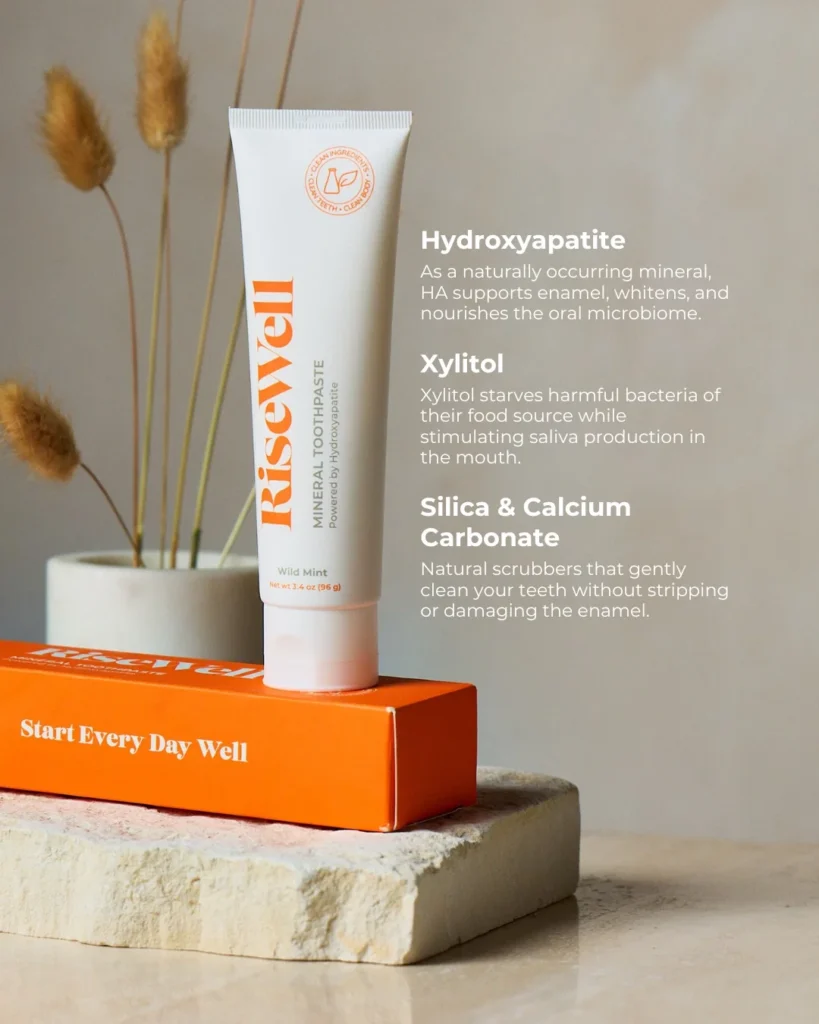
In my interview with the founders of RiseWell, they explained that they don’t believe the glycerin levels in their formula prevent hydroxyapatite from working. They consider the concern overstated based on the evidence they have reviewed. I’ve seen their research, and I trust and believe them wholeheartedly.
Is glycerin-free toothpaste better for hydroxyapatite?
There isn’t strong clinical evidence showing that glycerin prevents hydroxyapatite from supporting enamel remineralization. While some natural oral care advocates recommend avoiding glycerin, it doesn’t make a toothpaste less effective. Instead, look at the overall formulation and the evidence supporting the product’s effectiveness.
Ingredients to Avoid in Toothpaste That Aren’t Glycerin
When choosing a toothpaste, I wouldn’t focus on glycerin. Conventional toothpastes contain several other ingredients that I’d avoid before glycerin.
- Fluoride: Fluoride is added to toothpaste to strengthen enamel and help prevent cavities, but I prefer to limit my exposure. Studies have shown that prolonged exposure can damage teeth and bones, among other health effects.
- Sodium lauryl sulfate (SLS): This foaming agent creates the lather you typically associate with toothpaste. SLS can irritate the mouth and may trigger or worsen canker sores in some people.
- Artificial colors: Synthetic dyes are sometimes added to toothpaste to give it a particular color, but they don’t help clean your teeth or support enamel health.
- Artificial flavors and sweeteners: These synthetic additives make toothpaste taste more appealing, but they aren’t necessary for cleaning your teeth.
- Triclosan: Triclosan is an antibacterial ingredient that has raised health and environmental concerns. It’s no longer permitted as an active ingredient in U.S. over-the-counter toothpaste products under current FDA rules, but it shows up in other products.
What About Nano-Hydroxyapatite?
Nano-hydroxyapatite toothpaste has gained attention as a fluoride-free option for supporting enamel remineralization, but questions about nanoparticle safety have left some people hesitant to switch. Listen to episode #136 to learn why I support nano-hydroxyapatite in toothpaste.
How to Choose a Toothpaste That Supports Your Oral Health
Choosing a non-toxic toothpaste includes avoiding ingredients you don’t want in your daily routine and making sure your toothpaste contains ingredients that support your teeth. Here are a few things to consider when comparing your options.
- Look at the active ingredients. Hydroxyapatite is a fluoride alternative that has shown promise in supporting enamel remineralization.
- Read the full ingredient list. If you’re trying to reduce your exposure to certain ingredients, take time to understand what’s in your toothpaste and why it’s included.
- Be mindful of marketing claims. Terms like “natural,” “clean,” and “non-toxic” don’t automatically mean a toothpaste is more effective or safer. Read the ingredient list to know for sure.
Choose a product that supports your oral health while aligning with your personal preferences. If you’re unsure whether a fluoride or fluoride-free formula is right for you, here are some of my favorite non-toxic brands I’ve personally vetted:
- RiseWell (code WENDYKATHRYN10 for 10% off)
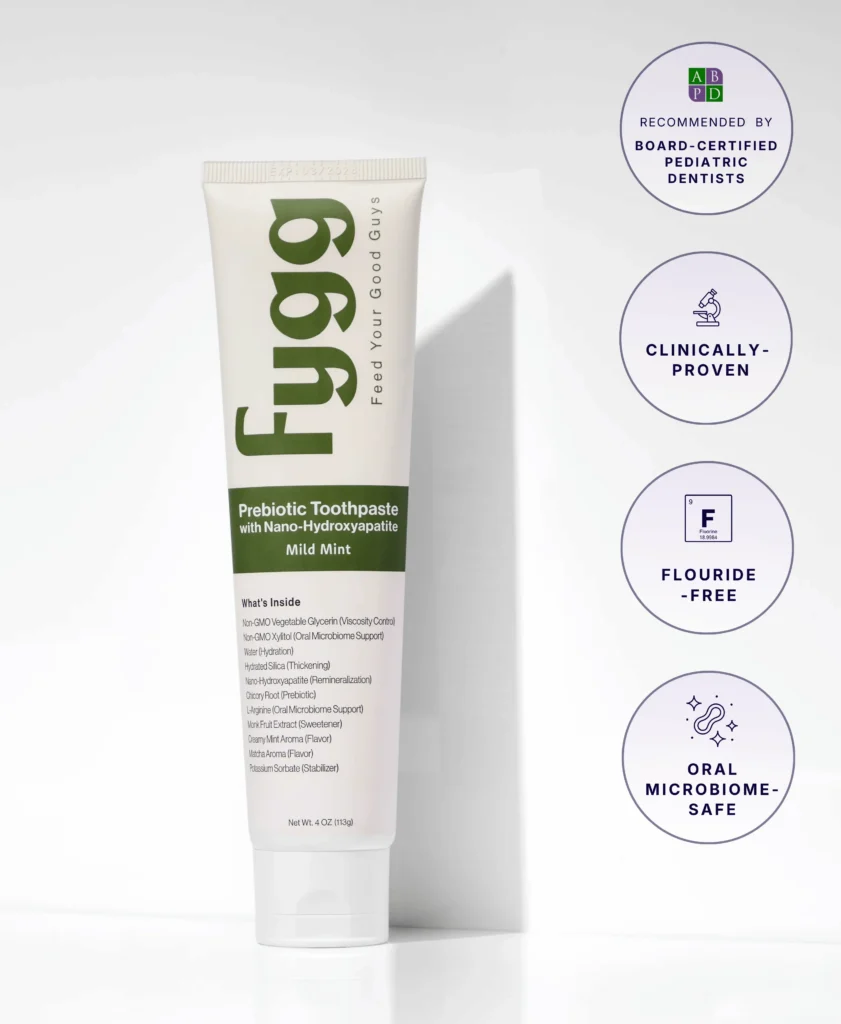
- Fygg (code TOXINFREEISH for 15% off)
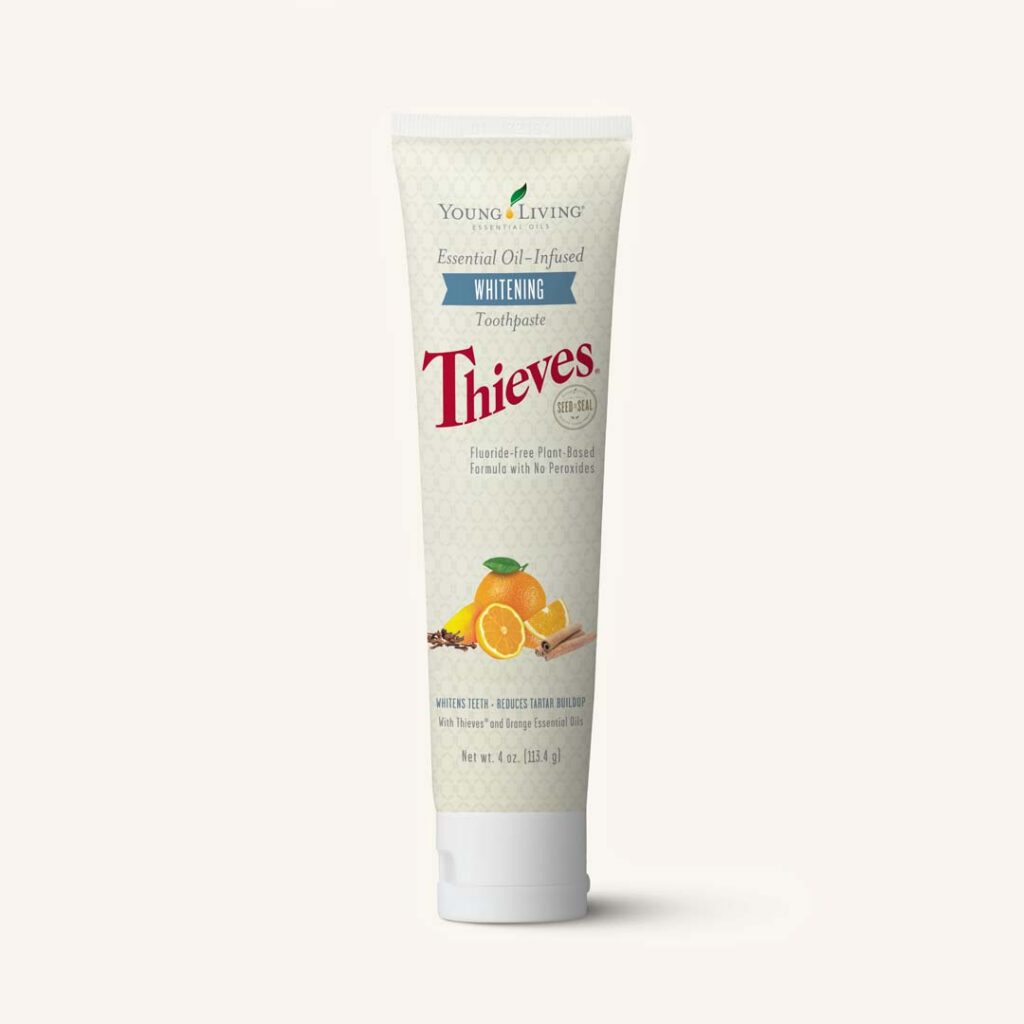
- Thieves (code SHAREYL for 10% off)
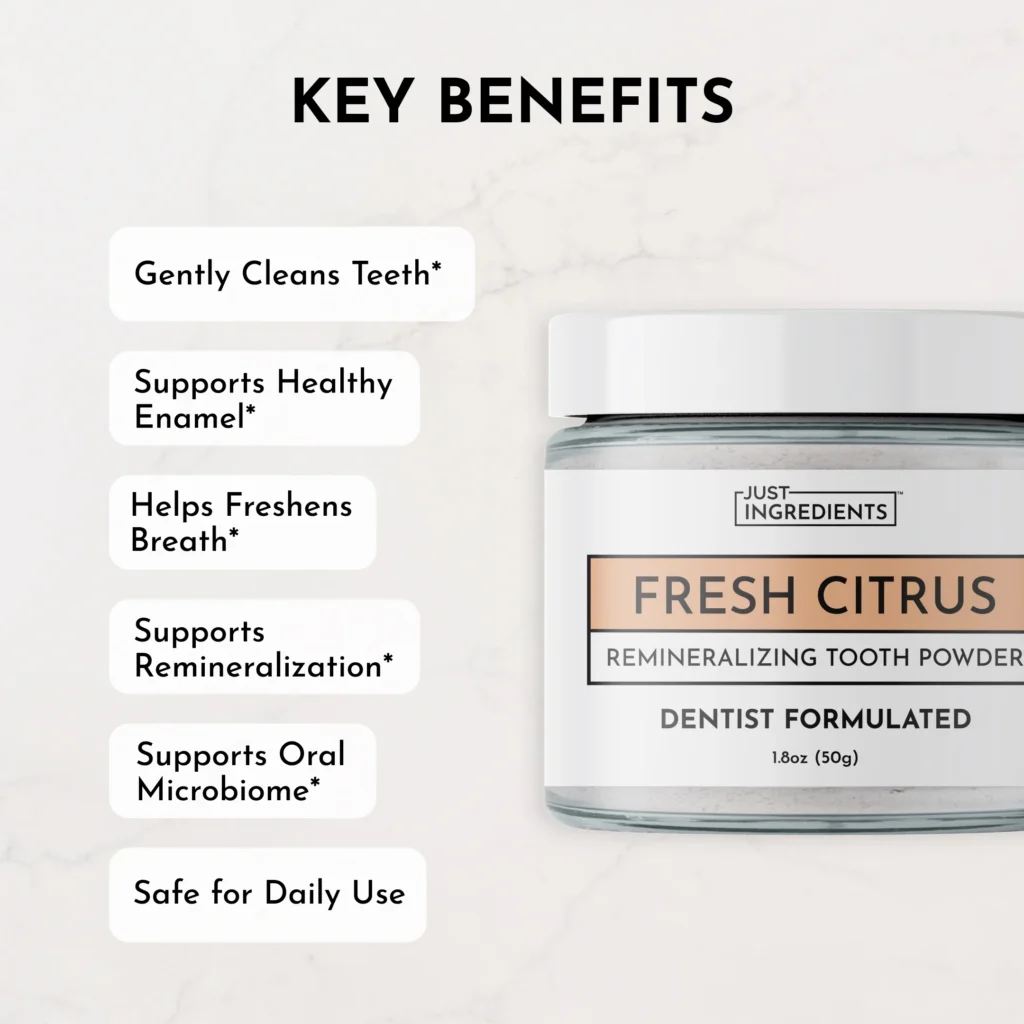
- Just Ingredients (code WENDYKATHRYN for 10% off)
Should You Avoid Glycerin in Toothpaste?
No, you don’t need to avoid glycerin in toothpaste. Current evidence doesn’t establish that it prevents your teeth from remineralizing. Conventional toothpaste contains plenty of other ingredients that are better to avoid than glycerin.
Want help finding a toothpaste that fits your ingredient preferences? I’ve put together my favorite non-toxic toothpaste recommendations, including options with different formulations and active ingredients, so you can find one that works for your needs.

+ show Comments
- Hide Comments