

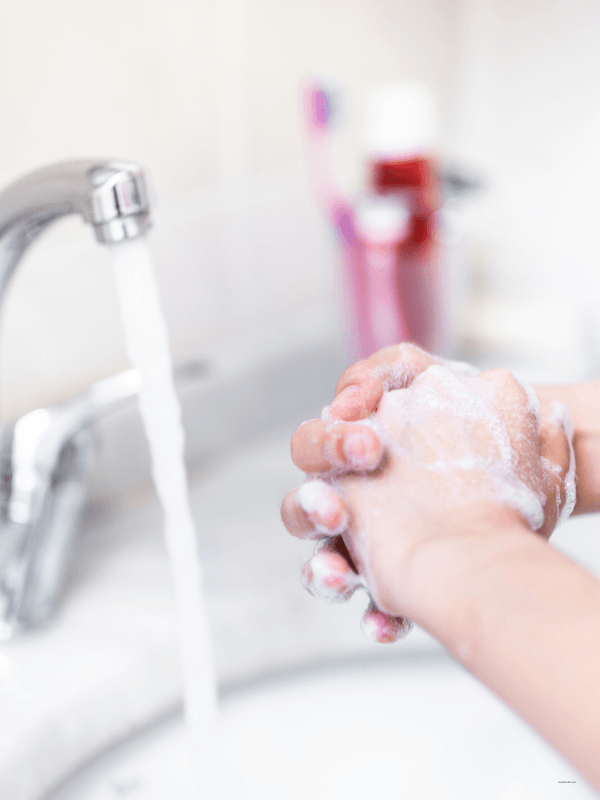


Have you ever stood in the soap aisle wondering whether to buy regular hand soap or the kind that promises to kill 99.9% of germs? Antibacterial soap sounds like the obvious choice, right? More germ-fighting power must mean cleaner hands.
But is antibacterial soap actually better for you?
Not necessarily. And if you’re trying to make lower-toxin choices at home, hand soap is one of those everyday products worth taking a closer look at. After all, you’re probably washing your hands multiple times a day, which means that little bottle by your sink gets plenty of use.
One ingredient that has made antibacterial soap particularly controversial is triclosan, an antimicrobial ingredient that was once commonly used in consumer products.
While you may not find it in the same types of hand soaps you did years ago, its story raises a bigger question: Do we actually need antibacterial ingredients in our everyday hand soap?
Let’s take a look at what antibacterial soap really does, what happened with triclosan, and what to look for the next time you’re standing in the soap aisle.
Is Antibacterial Soap Bad for You?
When you hear “antibacterial,” it’s easy to assume that regular soap is the basic option and antibacterial soap is the upgraded version. But more antibacterial action isn’t automatically better when you’re washing your hands throughout the day.
For everyday handwashing, the goal is to remove dirt, oils, and germs so you can rinse them away. You don’t necessarily need an extra ingredient designed to kill bacteria to accomplish that.
Some antibacterial ingredients have raised questions about safety, effectiveness, or environmental impact over the years.
Triclosan is probably the most recognizable example. The FDA concluded that manufacturers had not demonstrated that OTC antibacterial soaps were more effective than plain soap and water at preventing illness and spreading certain infections.
So if you’re standing in your bathroom wondering whether you need to replace your hand soap immediately, take a breath. This isn’t about creating another thing to worry about.
It’s about realizing that “antibacterial” isn’t a feature you necessarily need.
For most of us, a simple hand soap with ingredients we feel comfortable using, combined with good handwashing habits, is plenty. And if you’re already making lower-toxin swaps around your home, choosing a straightforward hand soap the next time you need a refill is an easy place to start.
What Is Antibacterial Soap?
Antibacterial soap contains an ingredient intended to kill or inhibit the growth of bacteria. You’ll often see it marketed with phrases like “antibacterial,” “antimicrobial,” or “kills 99.9% of germs,” which can make it sound like a more powerful version of regular soap.
Regular soap works a little differently. It helps loosen dirt, oils, and microorganisms from your skin so you can rinse them away with water. You don’t need a special antibacterial ingredient for that basic cleaning process.
| Regular soap | Antibacterial soap |
Helps loosen dirt, oils, and microbes | Does the same while containing an antibacterial active ingredient |
| Rinsed away with water | Rinsed away with water |
| Recommended for routine handwashing | Not shown to provide an additional benefit for routine consumer handwashing |
What About When You’re Sick?
This is probably where antibacterial soap starts to sound a little more appealing. If someone in your house is sick, you might think, Okay, this is when I need the serious soap.
But even then, the basics still matter most—washing your hands for 20 seconds with regular soap and water.
You don’t need to switch to an antibacterial soap just because someone in your household has a cold or the flu. There are specialized antiseptic products and situations where healthcare professionals may recommend something beyond your everyday hand soap, but that’s different from keeping an antibacterial pump bottle by your kitchen sink year-round.
So when sickness makes its way through your house, don’t worry about finding the most aggressive hand soap you can buy. Focus on washing your hands well and often, and let your soap do its simple job.
What Is Triclosan?
Triclosan is an antimicrobial ingredient that was added to a variety of consumer products to slow or stop the growth of bacteria, fungi, and mildew. It was used in products ranging from personal care items to materials like textiles and plastics.
When it comes to hand soap, the idea was pretty straightforward: If regular soap helps wash germs away, adding triclosan could give the soap an extra bacteria-fighting boost.
Sounds pretty good, right? Well, this is where things get a little more complicated.
Why Did Triclosan Become Controversial?
Triclosan became controversial because researchers and regulators began taking a closer look at whether that extra antibacterial action was worth the potential concerns of using it regularly.
Effectiveness
One of the biggest issues was effectiveness. In 2016, the FDA determined that manufacturers hadn’t provided enough evidence to show that consumer antiseptic washes containing triclosan and certain other antibacterial ingredients were both safe for long-term daily use and more effective than plain soap and water at preventing illness and spreading certain infections.
Health Effects
The FDA’s review noted emerging research on possible effects on the thyroid, reproductive, and developmental systems in animals, while also emphasizing that the available data were insufficient to establish triclosan as safe and effective for use in consumer antiseptic washes.
Environmental Impacts
And then there’s the environmental side of the conversation. Because triclosan is an antimicrobial chemical that can enter wastewater and the environment, the EPA has also evaluated its potential ecological effects and continues to review certain uses of triclosan.
All of this ultimately led the FDA to remove triclosan, along with 18 other active ingredients, from the list of ingredients that could be marketed in OTC consumer antiseptic wash products without an approved drug application. That includes liquid, foam, and gel hand soaps.
So does this mean triclosan was proven to be dangerous? No.
The FDA’s decision was based on insufficient evidence demonstrating the safety and effectiveness required for these products, not on a finding that every exposure to triclosan causes harm. And the EPA’s regulatory assessment of other uses has not simply concluded that all triclosan uses are unsafe.
For everyday hand soap, though, the takeaway is that you don’t need triclosan to clean your hands. And if an ingredient doesn’t provide a demonstrated benefit over plain soap and water, it’s reasonable to ask whether you want it in a product you’re using multiple times a day.
What Should You Look for in a Hand Soap Instead?
Once you realize you don’t need an antibacterial ingredient to clean your hands, shopping for hand soap gets a lot simpler.
Instead of looking for the bottle with the biggest germ-killing claim, focus on the overall formula. You’ll use this soap over and over, so choosing a formula with ingredients you feel comfortable using regularly can be a worthwhile swap.
Keep the Formula Simple
You don’t need a long list of ingredients for hand soap to do its job. Look for a formula that cleans your hands without adding unnecessary antibacterial ingredients or other extras you don’t really need.
“Natural” on the front of the bottle doesn’t mean the formula is a good fit for you. Flip the bottle around and actually look at the ingredient list.
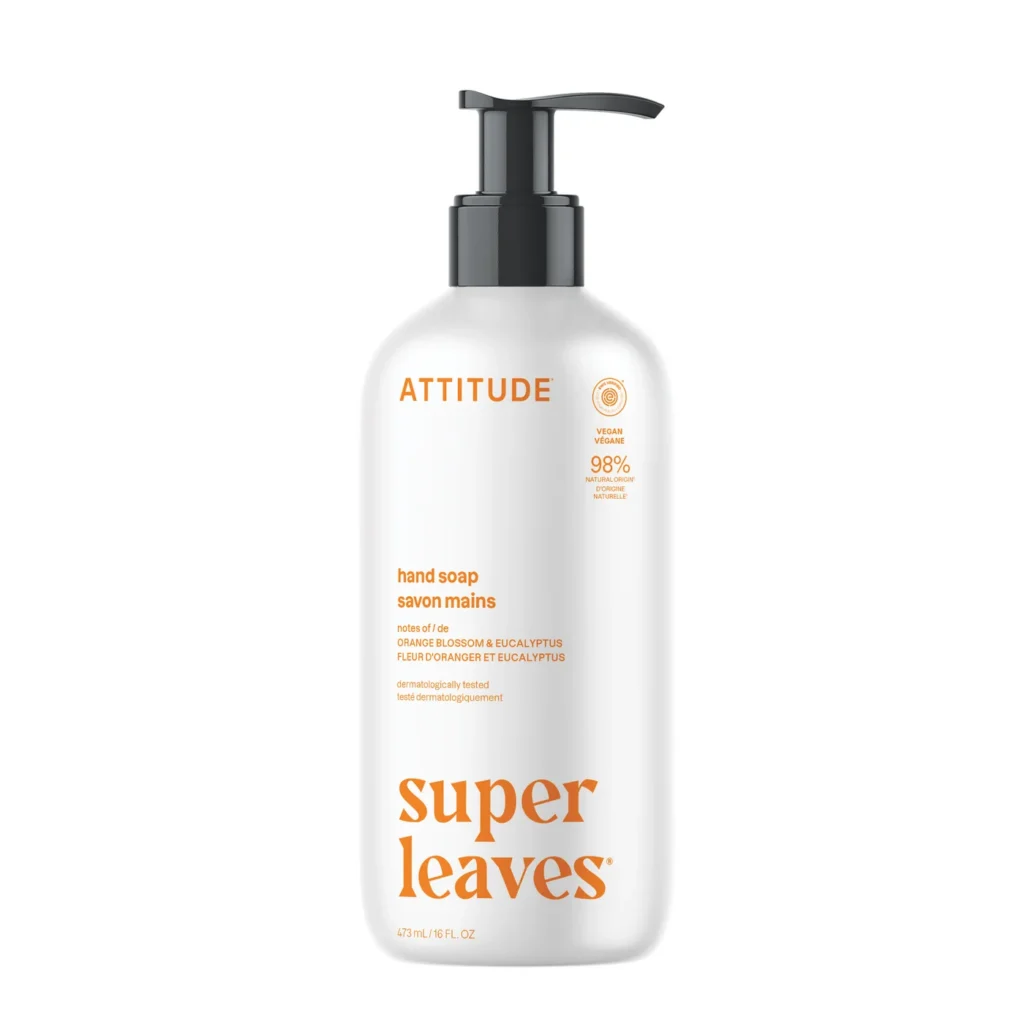
Attitude has some great hand soaps, and you can get 15% off with code WENDY15.
Pay Attention to Fragrance
Fragrance can be one of the trickier ingredients to evaluate because it’s not always obvious what’s included under that umbrella term. If you’re trying to reduce unnecessary ingredients in your home, look for fragrance-free options or soaps scented with ingredients you feel comfortable using.
This is especially worth considering if you wash your hands frequently and find that certain soaps leave your skin feeling dry, irritated, or tight.
Kosmotalogy offers essential-oil-scented hand soaps that I love.
Think About How Your Hands Feel
Clean hands shouldn’t feel painfully dry afterward. If a hand soap consistently leaves your hands feeling stripped or irritated, try a gentler formula.
Truly Free’s aloe hand soap is so good for dry skin.
Consider Refills
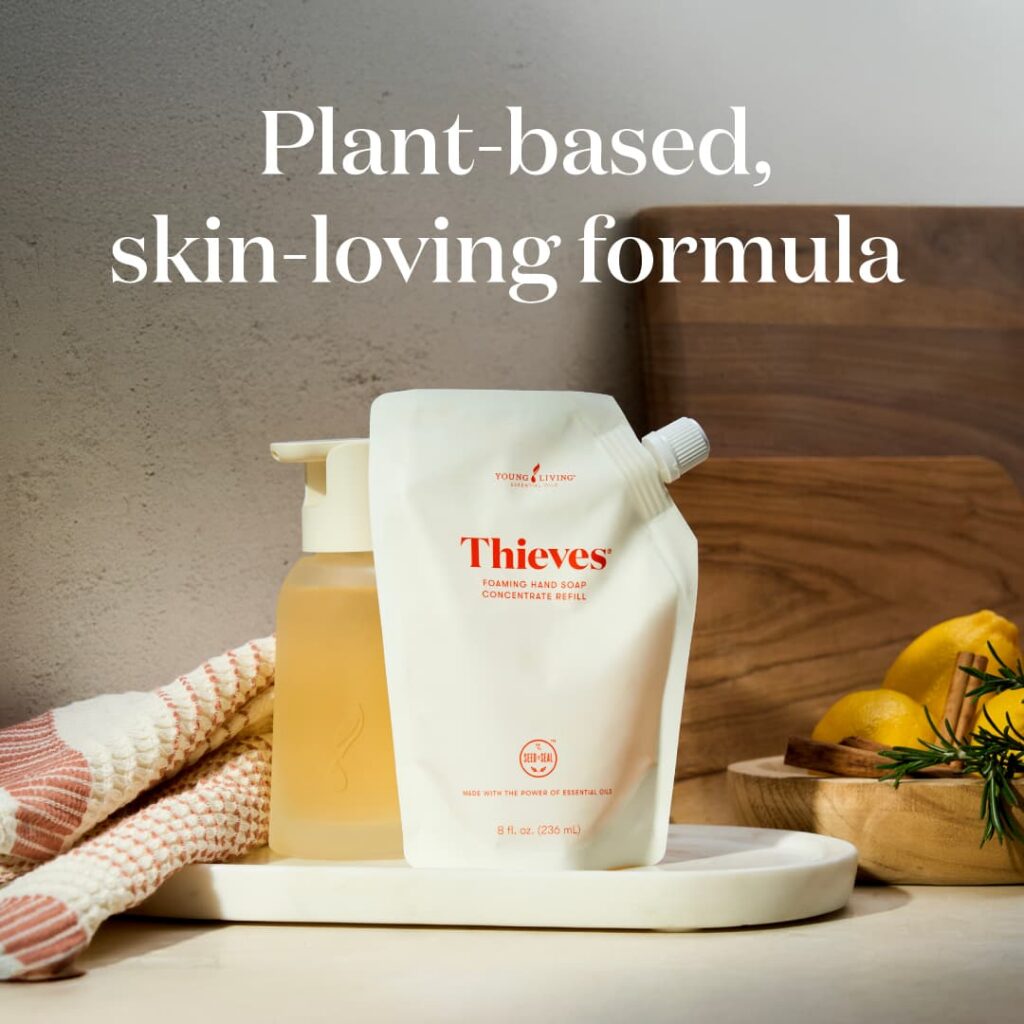
Hand soap is one of those products where refill options can make a lot of sense. Instead of buying a new plastic pump every time you run out, look for concentrated formulas, refill pouches, or larger containers that let you reuse the bottle you already have around your home. It’s a small change, but those little swaps add up over time.
Thieves is my favorite brand that offers refills.
You Don’t Need Antibacterial Soap to Have Clean Hands
When it comes to hand soap, you really don’t need to make things more complicated than they need to be.
Antibacterial soap may sound like the cleaner, more protective choice, but for everyday handwashing, plain soap and water are still the basics. When you’re using something several times a day, it’s worth paying attention to what’s actually in that bottle.
Creating a lower-toxin home isn’t about tossing everything you own the second you learn about an ingredient you’d rather avoid. Sometimes it’s simply about knowing what to look for and choosing differently the next time you run out.
And hand soap is a pretty easy place to start. If you’re ready to swap your current soap for an option with ingredients you feel better about using every day, I’ve rounded up some of my favorite non-toxic hand soaps to make the search easier.

+ show Comments
- Hide Comments