


We’ve all been taught that a good oral hygiene routine means brushing, flossing, and swishing around some mouthwash. But what if some of the products we’re using to keep our mouths clean are also killing off bacteria that are actually GOOD for us?
Just like your gut, your mouth has its own little ecosystem of bacteria. While some bacteria cause cavities, plaque, and gum disease, others work hard to keep everything balanced. We don’t want the good guys getting pushed out by the bad guys.
So, how do you fix your oral microbiome if things are out of balance? Let’s talk about your oral microbiome.
What Is the Oral Microbiome?
Your mouth is home to its own little community of microorganisms, including bacteria, fungi, and other microbes. This is what we call your oral microbiome. Just like your gut microbiome, these little guys have jobs to do!
Good bacteria:
- Protects your mouth
- Supports healthy gums
- Keeps harmful microorganisms from taking over
Bad bacteria contribute to:
- Cavities
- Plaque buildup
- Gum disease
A diverse community of microorganisms helps maintain a healthy oral environment. You want the good guys and the not-so-good guys living in the right balance.
Your oral microbiome is also influenced by more than just how often you brush your teeth. All these aspects play a role:
- Diet
- Saliva production
- Medications
- Lifestyle habits
- Oral care products you use
That’s why supporting a healthy oral microbiome isn’t necessarily about adding another product to your routine. Sometimes, it’s about taking a closer look at the habits and products you already use.
What happens when your oral microbiome becomes unbalanced?
When your oral microbiome becomes unbalanced, harmful bacteria can start to outnumber the beneficial bacteria that help keep your mouth healthy.
When that happens, you’re more likely to experience issues like:
- Persistent bad breath
- Bleeding or inflamed gums
- Increased plaque buildup
- Frequent cavities
- Dry mouth
When that balance gets disrupted, your mouth may become a more favorable environment for harmful bacteria to thrive.
What Can Disrupt Your Oral Microbiome?
Your oral microbiome is influenced by more than just how often you brush your teeth. Here are a few everyday factors that can throw your oral microbiome out of whack.
Overusing antimicrobial mouthwash
This one might surprise you, especially if mouthwash has always been a non-negotiable part of your morning routine. Antimicrobial mouthwashes are designed to kill or reduce bacteria, but they don’t always distinguish between the bacteria you want to get rid of and the beneficial bacteria that help maintain a healthy oral environment.
Using these products frequently may change the composition and diversity of your oral microbiome. That doesn’t mean all mouthwash is bad, but it’s worth paying attention to the active ingredients and whether you actually need an antimicrobial rinse every day.
Too much sugar and refined carbohydrates
Harmful oral bacteria love sugar, and the more often you expose your teeth to it, the more opportunities they have to thrive. When bacteria break down sugars, they produce acids that weaken tooth enamel and contribute to cavities.
These habits can contribute to an environment where cavity-causing bacteria have an advantage:
- Frequent snacking on sugary foods
- Sipping sweetened beverages throughout the day
- Regularly consuming refined carbohydrates
You don’t have to give up dessert, but how often you’re exposing your teeth to sugar matters.
Poor oral hygiene habits
I’m not saying you need a 12-step oral care routine, but brushing and flossing consistently really do matter! When you don’t remove plaque regularly, bacteria can accumulate along your teeth and gumline. Over time, this buildup can contribute to cavities, gum inflammation, and changes in your oral microbiome.
Dry mouth and reduced saliva production
Saliva does a lot more than help you swallow your food:
- Washes away food particles
- Neutralizes acids
- Maintains a healthy environment for the microorganisms in your mouth
When saliva production decreases, bacteria have more opportunities to accumulate, and your risk of cavities and other oral health issues can increase.
This can contribute to dry mouth:
- Dehydration
- Certain medications
- Mouth breathing
- Some health conditions, like diabetes and autoimmune conditions
If your mouth frequently feels sticky or dry, it’s worth bringing up with your dentist or healthcare provider.
How to Fix Your Oral Microbiome
You don’t need a complicated oral care routine to support your oral microbiome. Start with the everyday habits that help maintain a healthy environment in your mouth.
1. Rethink your daily mouthwash habit
Do you use an antimicrobial mouthwash every morning and night simply because it’s what you’ve always done? Some mouthwashes contain ingredients designed to kill bacteria, whether they’re the good guys or the bad guys.
If your dentist recommended a specific rinse to address gum inflammation or another concern, follow their guidance. But if you’re just looking for fresher breath, you probably don’t need a strong antimicrobial formula every day.
2. Brush and floss consistently
I know, this isn’t the most exciting advice, but the basics really do matter! Brushing twice a day with toothpaste and flossing daily help remove plaque and food particles before harmful bacteria can build up. A consistent routine is one of the best ways to support a healthier oral environment.
3. Reduce frequent sugar exposure
You don’t have to give up your favorite sweet treats to support your oral microbiome. However, how often you’re exposing your teeth to sugar can make a difference. Harmful bacteria use sugars as fuel and produce acids that contribute to tooth decay.
Instead of sipping on sugary drinks or snacking on sweets throughout the day, try to enjoy them only with meals. You can also choose water more often and watch for hidden sugars in packaged foods and beverages.
4. Eat foods that support oral health
Your diet can influence the bacteria living in your mouth, so it’s worth giving those good guys some nutritional support. Focus on a variety of whole foods, including:
- Leafy greens
- Vegetables
- Fruits
- Calcium-rich foods
- Fermented foods
Give your body a variety of nutrients that support overall health, including your oral health.
5. Support healthy saliva production
Saliva is one of your mouth’s natural defense systems, washing away food particles and maintaining a balanced oral environment. Drinking enough water throughout the day can help prevent dehydration-related dry mouth, while sugar-free gum encourages saliva production.
If you regularly wake up with a dry mouth or notice that your mouth feels uncomfortable throughout the day, consider what could be contributing to it.
6. Clean your tongue gently
Your tongue has a textured surface where bacteria, food particles, and other debris can accumulate. This buildup can contribute to bad breath, so gently cleaning your tongue can be a helpful addition to your oral hygiene routine.
You can use a tongue scraper or your toothbrush to clean the surface without applying too much pressure. This is another way to remove excess buildup and support good oral hygiene.
7. Keep up with regular dental visits
Even if you’re doing everything right at home, regular dental visits are still important. Your dentist can identify early signs of issues that indicate your oral health needs some attention. Professional cleanings also help remove hardened plaque that you can’t get rid of with brushing and flossing.
If you’re concerned about your oral microbiome or wondering whether a particular mouthwash is right for you, bring it up at your next appointment. Your dentist can help you choose products and habits based on your actual oral health needs.
Is Mouthwash Bad for Your Oral Microbiome?
Okay, let’s talk about mouthwash because I know this one can be a little controversial. Is mouthwash bad for your oral microbiome?
The short answer: it depends on the type of mouthwash, its ingredients, and how often you use it.
Some mouthwashes contain antimicrobial ingredients designed to kill bacteria or slow their growth. Research suggests that certain antimicrobial mouthwashes can change the composition and diversity of the oral microbiome, but the problem is that these ingredients may affect the good bacteria along with the bad bacteria.
Here are a few ingredients worth knowing about when you’re shopping for mouthwash:
- Chlorhexidine: Dentists prescribe this powerful antimicrobial ingredient to help manage gum disease or other oral health concerns. It can significantly reduce oral bacteria, but research also shows it can disrupt the balance of the oral microbiome. It’s generally intended for short-term use under dental supervision.
- Cetylpyridinium chloride (CPC): You’ll find this antimicrobial ingredient in some over-the-counter mouthwashes. It helps reduce bacteria associated with plaque and bad breath, but it can also influence the composition of your oral microbiome.
- Alcohol: Some mouthwash formulas contain alcohol, but it isn’t necessarily what makes a mouthwash effective. It may contribute to irritation or dryness for some people. I don’t use mouthwash with alcohol or hydrogen peroxide.
- Essential oils: Just because an ingredient comes from a plant doesn’t mean it won’t affect your oral bacteria. Essential oils like eucalyptol, menthol, thymol, and methyl salicylate have antimicrobial properties, so they may help reduce plaque and gingivitis, but they can also influence the microorganisms living in your mouth.
- Fluoride: Fluoride is added to mouthwash to help strengthen tooth enamel and prevent cavities. However, it serves a different purpose than antimicrobial ingredients designed to reduce bacteria. If you prefer to avoid fluoride in your oral care routine, this is another ingredient to look for when reading mouthwash labels.
Should I Skip Mouthwash?
Mouthwash can be helpful for certain oral health concerns, and some people benefit from using a specific rinse recommended by their dentist. But if you’re using a strong antimicrobial mouthwash multiple times a day without a particular reason, it’s worth asking whether you actually need it.
I’m also not automatically convinced that an alcohol-free, natural, or clean-labeled mouthwash is the better option. Look at the active ingredients and understand what they’re designed to do. The goal is to support a healthy oral microbiome.
What does mouthwash actually do?
Mouthwash is designed to freshen breath, rinse away loose food particles, and address specific oral health concerns depending on the formula.
- Cosmetic mouthwash: Temporarily freshens breath but doesn’t necessarily address the underlying cause of bad breath.
- Antimicrobial mouthwash: Helps reduce bacteria associated with plaque, gingivitis, and bad breath.
- Fluoride mouthwash: Provides additional cavity protection.
- Prescription mouthwash: May be recommended for specific oral health concerns or after certain dental procedures.
How to Choose a Mouthwash That Supports Your Oral Health Goals
If you enjoy using mouthwash or have a specific reason to include it in your routine, you don’t necessarily have to give it up. Instead, be intentional about what you’re buying and why.
Here are my toxin-free recommendations:
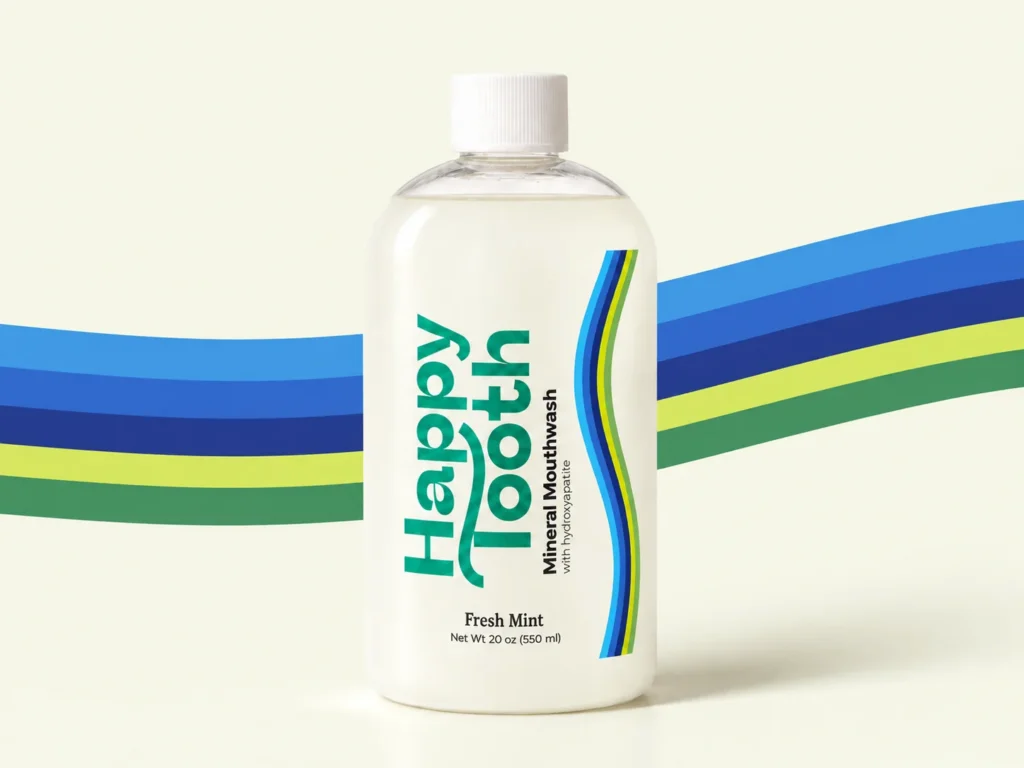
- Happy Tooth: Uses Hydroxyapatite to help support enamel, xylitol for additional anti-cavity protection, and calcium carbonate for remineralization.
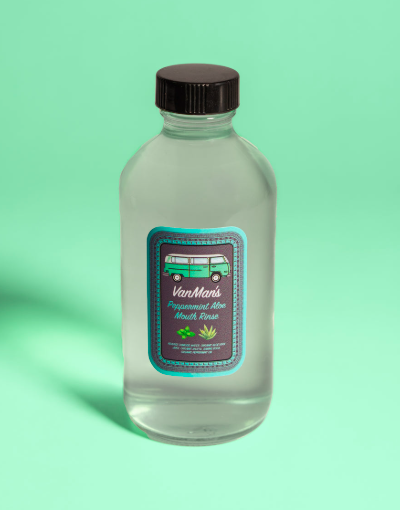
- VanMan: Super clean and aloe-based.
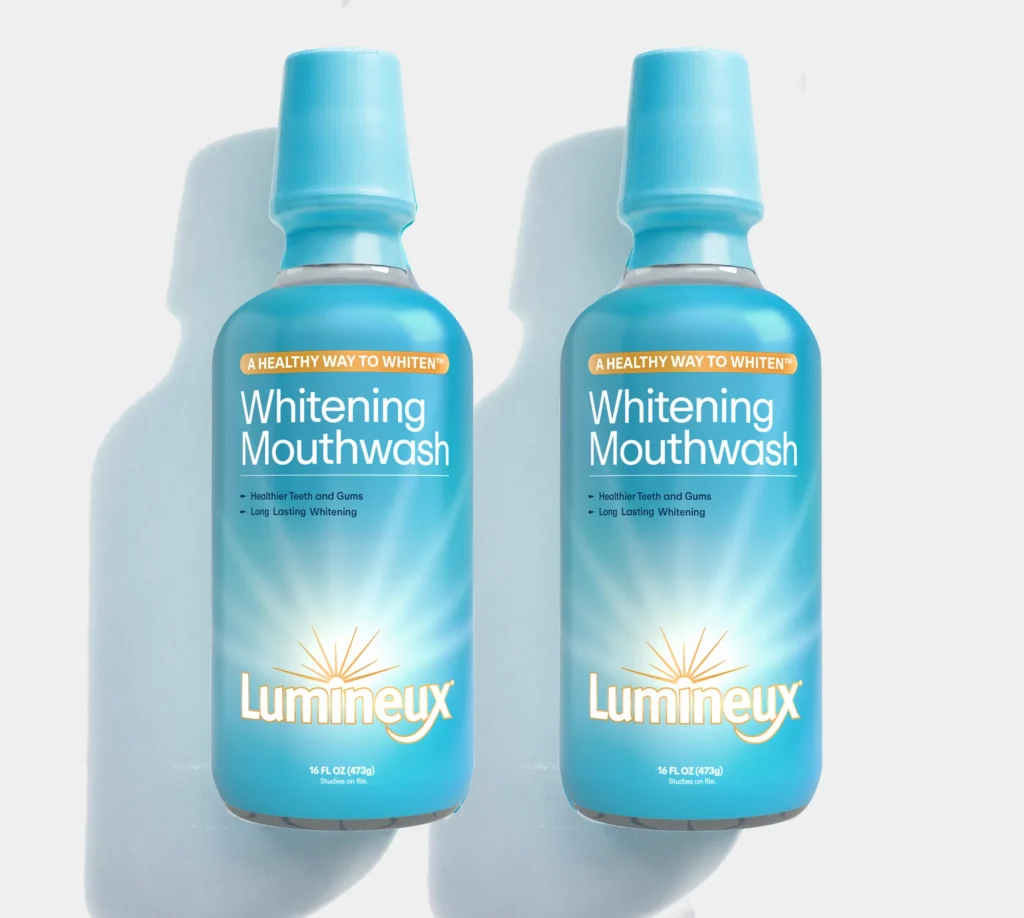
- Lumineux: A budget option with a handful of flavors to choose from, and alcohol-free.
Finding the Sweet Spot for a Healthy Oral Microbiome
Your mouth is supposed to have bacteria. You don’t need to sterilize it or assume that every product promising to kill 99.9% of bacteria is doing you a favor.
If you’re looking to support your oral microbiome, start by looking at the everyday things you can control.
- Brush and floss consistently
- Pay attention to how much sugar you’re consuming
- Stay hydrated
- Take a closer look at the ingredients in your mouthwash
You may find that you don’t need an antimicrobial rinse every single day. Or maybe your dentist has recommended one for a specific reason. Both situations can be true!
And remember, just because something is marketed as natural or clean doesn’t automatically mean it’s better for your oral microbiome. You still need to understand what the ingredients are doing.
I’m a big believer in finding your own sweet spot with toxin-free living. The more you understand about what you’re using, the better equipped you are to make informed decisions. That’s what living toxin-free-ish is all about!

+ show Comments
- Hide Comments