




Protein bars have a marketing problem. They show up in the health food aisle, stamped with words like high protein, low sugar, and clean ingredients, but if you flip one over and read what’s actually in it, you’ll usually find a list that has no business being on a health food shelf:
- Seed oils
- Synthetic vitamins
- Mystery “natural flavors”
- Sweeteners that wreak havoc on your gut
It’s a lot of performance with very little substance.
The good news? A handful of brands are actually doing it right.
Let’s dive into why conventional protein bar brands aren’t actually good for you and what to look for in the best protein bars for your health.
Why Most Protein Bars Fail the “Actually Healthy” Test
Most protein bars are built around cheap ingredients, aggressive marketing, and a label designed to distract you from what’s actually inside.
Here’s what’s wrong with the most common ingredients in conventional protein bars:
Seed oils (sunflower, canola, safflower)
Most people are trying to avoid seed oils, so it’s particularly frustrating to find them hiding in a bar that’s supposed to be good for you. They’re inflammatory, heavily processed, and have no place in a clean ingredient list.
Artificial sweeteners and sugar alcohols (maltitol, sucralose, erythritol in high doses)
These show up because they keep the sugar count low on the label, but they can disrupt your gut microbiome, cause bloating, and, in some cases, spike blood sugar just as much as the real thing.
Added Sugar
But added sugar is also a problem. Some bars are packing 20–25 grams of added sugar while still sitting in the health food aisle. That’s roughly the same as a candy bar, just with better branding.
“Natural Flavors”
This sounds harmless, but “natural flavors” is a catch-all term that can legally contain dozens of chemical compounds, and brands aren’t required to tell you what’s actually in them.
Soy Protein Isolate
It’s cheap, which is why it’s everywhere, but soy protein isolate is heavily processed, usually sourced from GMO crops, and high in phytoestrogens that can interfere with hormone balance over time.
Synthetic Vitamins and Minerals
A long vitamin dump at the end of an ingredient list is often a sign that the bar isn’t actually nutritious. It’s a processed product dressed up with added nutrients to make the label look impressive.
Prop 65 Contaminants
Independent testing has found measurable levels of lead and cadmium in many popular protein bars and powders—something most brands obviously aren’t advertising, but that’s worth knowing before you make it a daily habit.
What to Actually Look for on a Protein Bar Label
Once you know what to avoid, the next step is knowing what you’re actually looking for. A truly clean protein bar doesn’t need a long ingredient list to prove itself.
Here’s what to look for in a good protein bar:
- Ingredient list under 10 items
- Protein source you recognize (grass-fed whey, egg white, beef, nuts)
- No seed oils anywhere in the list
- Sweeteners are whole-food-based (honey, dates, coconut sugar) or none at all.
- No “natural flavors” or synthetic vitamin dump at the end
- Third-party tested when possible.
My Favorite Non-Toxic Protein Bars That Actually Taste Good
The biggest complaint I hear about non-toxic protein bars is that they don’t taste good. When you take out all the natural flavors and sugar, you’re left with a bland, dry product that you have to choke down.
Well, believe me when I say I’ve tried dozens of different toxin-free protein bars. The ones I hated didn’t make my Toxin-Free Shopping Guide, but these are actually worth the price and taste amazing.
- Just Ingredients — clean label, real food protein, no seed oils, third-party tested. Use code WENDYKATHRYN for 10% off.
- Lineage Provisions Bar — animal-based protein, regeneratively sourced, minimal ingredients. Use code WENDY for 15% off.
- BTR Nation — functional ingredients, no junk fillers
- Skout — plant-based option for those who want it, available on Truly Free Marketplace
- Jacob Bar — simple, satisfying, clean sourcing
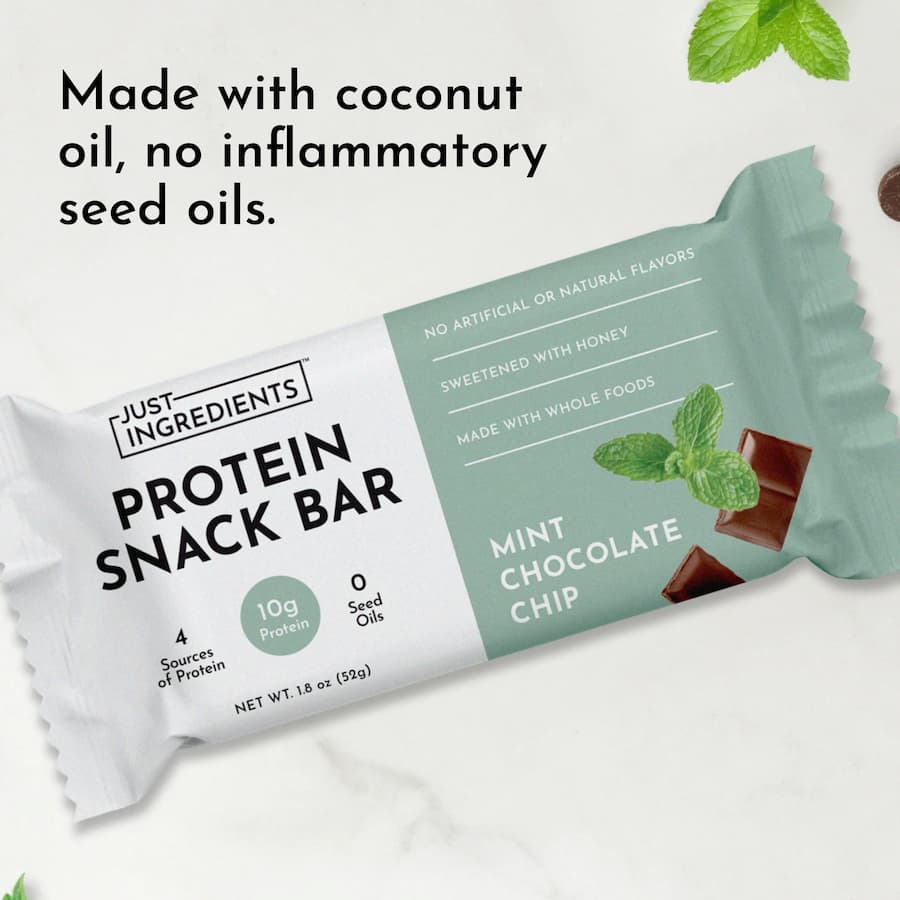
When a Protein Bar Makes Sense And When It Doesn’t
I don’t eat protein bars every day. They aren’t a replacement for meals or real protein sources. But when I need something on the go or quick, protein bars are among the things I reach for.
A good clean bar is perfect for when you’re traveling, and real food isn’t an option, when you need something quick between meetings, or when you want a post-workout option that isn’t a full meal.
They’re also a great after-school snack choice for kids. They’re easy to eat in the car and are a whole lot better than what’s in the vending machine.
Your Convenience Snack Doesn’t Have to Be a Compromise
Convenience has been the protein bar industry’s biggest selling point for decades, and it worked, even when the ingredients didn’t deserve the trust we gave them.
But people want non-toxic options, and there are brands now sourcing clean protein, skipping seed oils and synthetic fillers, and still making something that actually tastes good.
You don’t have to give up grab-and-go. You just have to know which grab-and-go is worth it.

+ show Comments
- Hide Comments