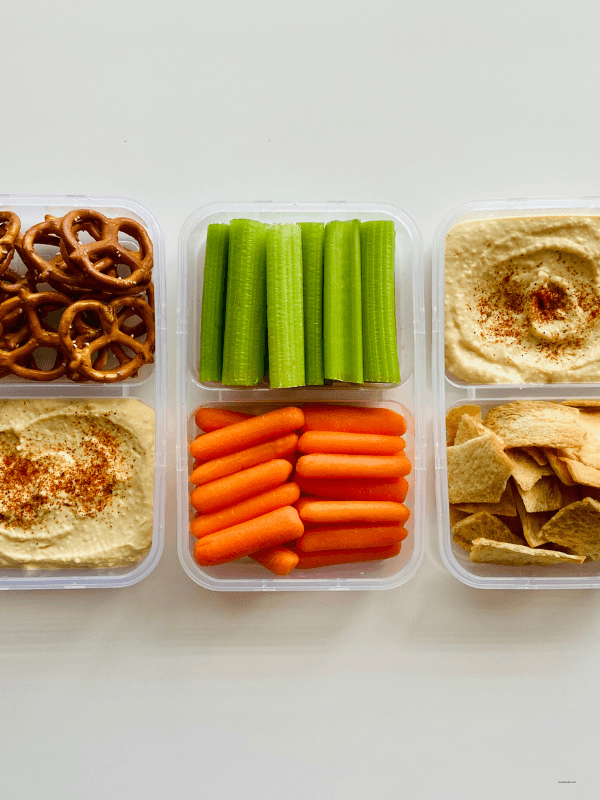


It’s 3pm, you haven’t eaten since breakfast, and you have 45 seconds to decide what’s going in your mouth before your next meeting, school pickup, or errand run.
This is not the moment for reading an ingredient label front to back. And yet, this is exactly the moment most of us end up grabbing whatever’s closest, then wondering why we don’t feel great an hour later.
So much clean-eating advice out there assumes you have time to read labels at the grocery store or to meal prep all weekend.
Real life doesn’t work that way. What you actually need is a mental cheat sheet so the busy, hungry version of you can still make a good call without decision fatigue.
What Does Clean Snacking Even Mean?
“Clean snacking” isn’t a strict rulebook. It just means choosing snacks made with ingredients that make you feel good.
It’s less about avoiding everything processed and more about paying attention to what it’s processed with—oils, fillers, and sugar sources.
You don’t need a perfect pantry to make healthy snack choices. You just need to know what to glance for, so a good choice takes the same 10 seconds as a bad one.
Why “Busy and Hungry” Is When Labels Matter Most
When we’re rushed or hungry, we default to whatever’s easiest, not what’s best. Whatever doesn’t require a bunch of prep but can be taken with us in the car or eaten at our desk.
Ingredient quality matters even in small snack-sized amounts. The consumption of seed oils, “natural flavors,” and industrial processing adds up over time.
I’m not trying to make you feel like you have to obsess over every snack (remember your ‘ish’!) I want to give you 2-3 safe default snack options so decision fatigue doesn’t win.
The 60-Second Label Scan
Let me give you something quick you can use as you read ingredient labels to separate a genuinely clean snack from one that’s just marketed that way.
Look for:
- Short ingredient lists
- Oils you can picture growing (olive, avocado, coconut, tallow)
- Whole-food first ingredient
- Organic when it counts
Watch for:
- “Natural flavors” (vague)
- Seed oils (canola, soybean, “vegetable oil”)
- Added sugars stacked under different names
- Synthetic dyes
Quick gut-check questions:
- Could I make this in my kitchen with ingredients I recognize?
- Is the fat/oil something whole, or something industrial?
- Is sugar the #1–3 ingredient?
Do I need to buy organic snacks to avoid toxins?
Not always. Organic matters most for produce-based ingredients that are heavily sprayed, but it’s not the only thing that makes a snack “clean.”
What matters more across the board is avoiding seed oils, synthetic additives, and vague fillers, regardless of whether something is certified organic.
So organic is a nice-to-have signal, but the ingredient list itself tells you more.
Snack-by-Snack Breakdown
Obviously, there are lots of clean snacks out there. I just want to give you a few options that are clean, will fill you up, and are perfect on the go.
Jerky & Beef Sticks
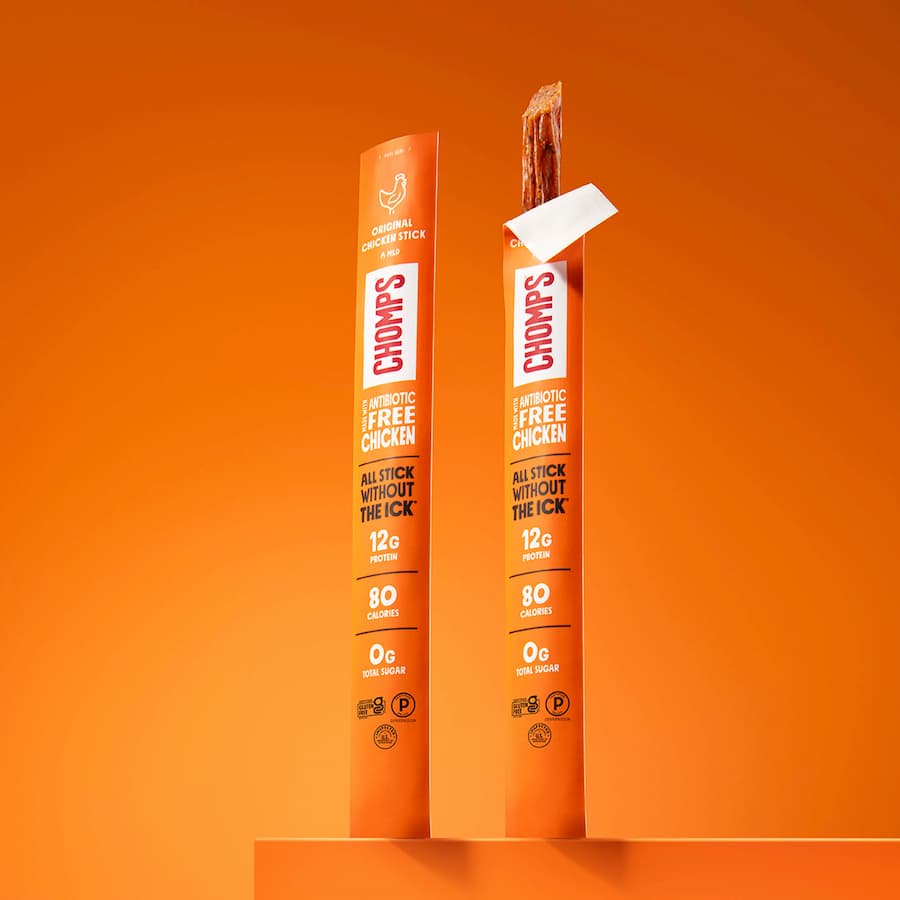
Most jerky and beef sticks on shelves are loaded with corn syrup, soy-based fillers, synthetic nitrates, and “flavorings”, whatever that means. The issue isn’t meat itself; it’s what conventional processing adds to make it shelf-stable and flavorful on the cheap.
A clean meat snack should be almost boringly simple:
- Meat
- Salt
- Maybe vinegar or a recognizable spice
That’s it. This is one of the easiest categories to upgrade without sacrificing convenience, since a truly clean beef stick or jerky delivers the same grab-and-go protein hit, just without the unnecessary extras riding along with it.
My Favorites:
- Lineage Provisions (Use code WENDY for 15% off)
- Chomps
- Prevail
- Paleovalley beef sticks (get 15% off with this link)
Chips (Yes, You Can Still Have Chips)
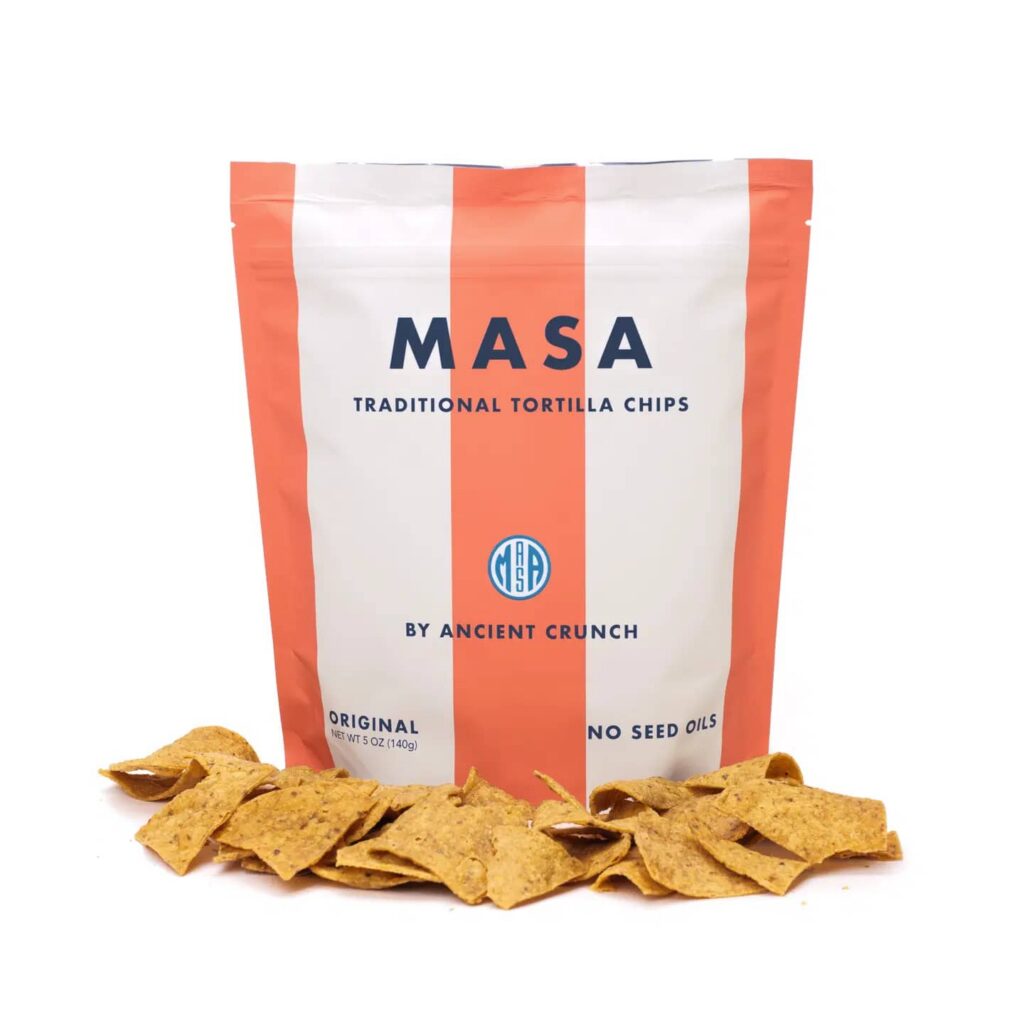
The issue with most chips is what they’re fried in. Conventional chips are almost always cooked in industrially processed seed oils (canola, soybean, “vegetable oil”), which go through high-heat extraction and chemical refining that most people would rather avoid if they knew what to look for.
lean chip options swap that oil for avocado oil or beef tallow, which changes both how the chip is made and how your body responds to it.
My Favorites (fried in beef tallow):
- Masa tortilla chips (4 bags free with your first order)
- Vandy potato chips
- Rosie’s chips
- Vaca chips
Protein Bars
Protein bars are marketed as “healthy” but are closer to a candy bar.
You’ll almost always find:
- Sugar alcohols
- Protein isolates with questionable sourcing
- A paragraph on stabilizers and fillers
A genuinely clean bar keeps the ingredient list short, uses a real, traceable protein source, and skips the added sugar.
Protein bars are often reached for specifically because they feel like the responsible choice, which makes it even more important that the one you’re grabbing actually lives up to that reputation.
My Favorites:
- Lineage (Use code WENDY for 15% off)
- Just Ingredients (Use code WENDYKATHRYN for 10% off)
- Skout
- Jacob Bar
- BTR Nation
- Laird Superfood
Are protein bars actually good for you?
It depends entirely on the bar. A genuinely good one has a short ingredient list, a real, traceable protein source, and doesn’t need added sugar to taste good. The specific bar in your hand is what determines whether it’s actually doing you any favors.
Drinks That Count as “Snacks” Too
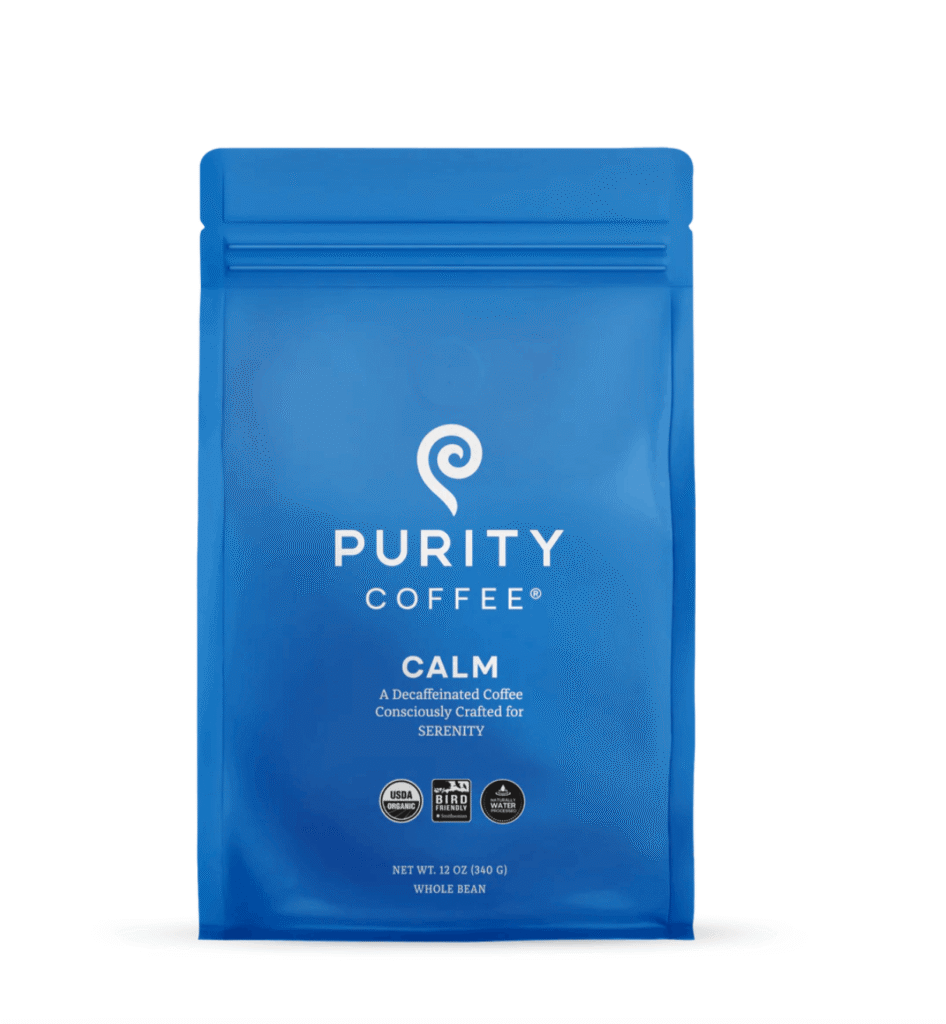
You know I can’t survive without my morning coffee. I’ve learned a lot about coffee and tea sourcing recently.
Conventional coffee is one of the most heavily sprayed crops, and it’s also prone to mold and mycotoxin contamination during processing. Most brands never test for mold, let alone disclose it.
The same thing happens with tea, but it also has the added issue of plastic tea bags and additives in flavored blends.
Clean options are third-party tested for mold, glyphosate, and other contaminants, and are sourced from farms that are transparent about how their products are produced and get from crop to cup.
So if you’re grabbing a drink with your clean snack…
My Favorites:
- Purity Coffee
- Four Sigmatic (get 20% off)
- Oshala Farms tea
- Fringe Mineral Mix (use code WENDY10 for 10% off)
Building Your Own “Safe Default” List
Always have a few clean snack options stocked. Pick one meat snack, one chip, and one protein bar you’ll always have on hand when you’re starving and just need something to keep you full.
I love buying in bulk, so I’m never stuck deciding when I only have one left. I just have everything ready to go.
“Clean” Doesn’t Always Mean “Expensive”
Clean snacking has a reputation for being pricier or harder to find. You might have to order directly from the company rather than at Target or on Amazon.
I totally get that concern. It becomes just one more thing to remember.
But many of these brands offer free shipping, subscription discounts/codes, and cost comparably to “healthy” grocery-store bars once you account for what you’re actually getting.
No More Standing in the Snack Aisle
You don’t need to memorize every ingredient list from here on out. You just need a few defaults you trust enough to grab without thinking twice.
That’s really what clean snacking comes down to: not obsessing over every bite, but building a few reliable go-tos so that the rushed, hungry version of you is set up to succeed rather than scrambling. Small, consistent swaps do more for how you feel than any all-or-nothing overhaul ever will.
If you’d rather skip the label-reading altogether, I’ve already done it for you. My go-to clean snacks are on my food & beverages page, ready whenever you’re ready to restock.

+ show Comments
- Hide Comments