



You’ve probably heard that warm light is better for your evening routine, but what does “warm” actually mean?
The color temperature of a light bulb can affect how a room looks, but it can also influence the type of light your eyes are exposed to throughout the day. And when it comes to supporting your natural circadian rhythm, there’s more to consider than simply choosing a bulb labeled “warm white.”
From spectrum and brightness to flicker, the circadian rhythm lighting you use throughout your home can help create a more supportive lighting environment.
What Does Color Temperature Mean?
Color temperature is a way of describing how a light looks, and it’s measured in Kelvin (K). The lower the Kelvin number, the warmer the light, and the higher the number, the cooler it looks. So a 2700K bulb gives you that familiar warm, yellowish glow, while a 5000K bulb looks much more like bright daylight.
Here are some examples:
- 2700K: traditional warm white
- 3000K: warm-to-neutral
- 4000K+: cooler/whiter light
- 5000K+: daylight/cool blue-white appearance
Knowing the Kelvin rating can be helpful when you’re choosing bulbs for different rooms and times of day. But Kelvin doesn’t tell you the whole story.
Why “Warm” Doesn’t Automatically Mean “Circadian-Friendly”
Just because a light bulb looks warm doesn’t automatically make it a good choice for circadian-rhythm lighting.
The Kelvin rating tells you what the light looks like to your eyes. It doesn’t tell you anything about:
- The wavelengths of light it produces
- How much blue light it emits
- How bright it is
- Whether it flickers
That’s why two bulbs that both look warm to your eyes can affect your lighting environment differently.
If you’re trying to make your home more supportive of your natural day-to-night rhythm, look at the color temperature and the bulb’s spectrum, brightness, and flicker.
Why Light Matters to Your Eyes and Brain
Light does a lot more than help you see where you’re going. The light that enters your eyes sends signals to your brain that help regulate your circadian rhythm, alertness, and sleep-wake cycle.
Your Eyes Do More Than Help You See
Your eyes are constantly taking in information from the light around you, and your brain uses those signals to help determine where you are in your daily rhythm.
Bright light during the day helps reinforce that it’s time to be awake and alert, while darkness in the evening tells your body that it’s time to start winding down.
This is one reason your indoor lighting matters more than you might think. You can choose lighting that works with these natural cues instead of sending your brain the same bright, artificial signals from morning until bedtime.
Blue-Heavy Light Isn’t Automatically “Bad”
Blue light gets blamed for a lot these days, but it’s not something you need to avoid completely. Blue light during the day is a normal part of natural daylight and can help reinforce daytime signals to your circadian system.
The problem comes when you’re exposed to it all day long, working on a computer, looking at your phone, and watching TV.
You’re giving your brain plenty of “it’s still daytime!” signals when it should be preparing for sleep. That’s why it makes sense to gradually shift toward warmer light as the sun goes down.
What to Look for When Choosing a Light Bulb
Choosing a light bulb involves a little more than grabbing the first package that says “warm white.” If you’re trying to create a home that supports your body’s natural day-to-night rhythm, there are a few other things worth looking at before you make your choice.
- Color temperature: Start with the Kelvin rating to get an idea of how warm or cool the light will look.
- Light spectrum: Look for bulbs designed with daytime and nighttime light exposure in mind.
- Flicker: Just because you can’t see a bulb flickering doesn’t mean it’s not happening. If this is something you’re concerned about, look for bulbs specifically designed to minimize or eliminate flicker.
- Brightness: A very bright, warm bulb can still be a lot of light late at night. Pay attention to how much light you’re actually bringing into a space, especially in the evening.
- When you’ll use it: Think about when and where you’ll be using the bulb before you buy it. Ideally, your lighting should change with you throughout the day.
Do You Need Different Light Bulbs for Different Times of Day?
If you’re thinking, “Do I really need a different light bulb for every room and every hour of the day?”—no. I’m not trying to turn your house into a science experiment.
But there is a lot of value in being more intentional about the light you’re exposed to throughout the day. Your lighting needs in the middle of the afternoon are very different from what your body needs at 10 p.m., so why would we expect the same bulb to do both jobs?
During the Day: Brighten Things Up
During the day, your goal is to give your body a clear signal that it’s daytime. Whenever possible, natural outdoor light is your best option, especially in the morning. I love getting outside on a walk with my dog or paddleboarding in the summertime.
If you’re spending most of your day indoors, the right artificial lighting can help fill in the gaps. Look for brighter, more daylight-like lighting during the daytime rather than relying on the same soft, warm bulbs you use at night.
As Evening Approaches: Start Dimming the Lights
This is where most of us could make a pretty easy switch. Instead of keeping your home just as bright at 8 p.m. as it was at 2 p.m., start turning down the lights as the sun goes down.
Swap harsh overhead lighting for lamps, dim the lights where you can, and begin shifting toward warmer tones. You’re essentially giving your brain a little heads-up that the day is winding down.
At Night: Go Red or Amber
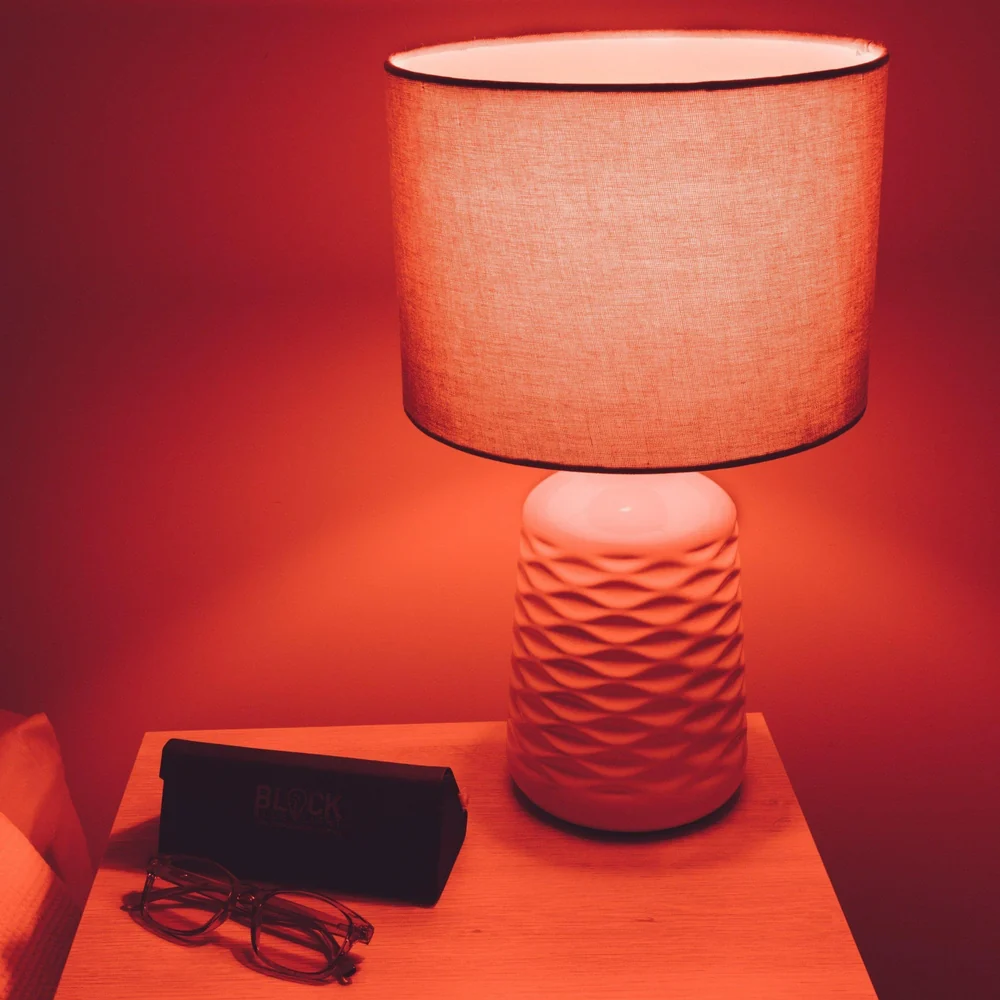
When you’re getting close to bedtime, this is not the time for bright, blue-heavy lighting. Red or amber light is a much better option when you need to see without flooding your environment with light that looks and feels like daytime.
This can be especially helpful for bedside lamps, bathrooms, hallways, and nightlights. You don’t have to sit in complete darkness, but you want to avoid turning on the equivalent of a tiny sun every time you get up to use the bathroom.
What About Circadian-Friendly Light Bulbs?
Circadian-friendly bulbs are designed to better mimic the way your light environment naturally changes throughout the day. Instead of giving you the same type of light from sunrise to bedtime, they can help you create brighter, more stimulating light during the day and warmer, lower-blue-light conditions as evening approaches.
Here’s what you should look for:
- Day-to-night options
- Reduced blue light in the evening
- Appropriate daytime spectrum
- Flicker-free design
- Low EMF
- Options for recessed lighting and standard fixtures
My Favorite Home Lighting Options
I’ve chosen options that make it easier to be intentional about the light you’re using throughout the day, whether you’re looking for daytime lighting, circadian-friendly bulbs, or something gentler for nighttime.
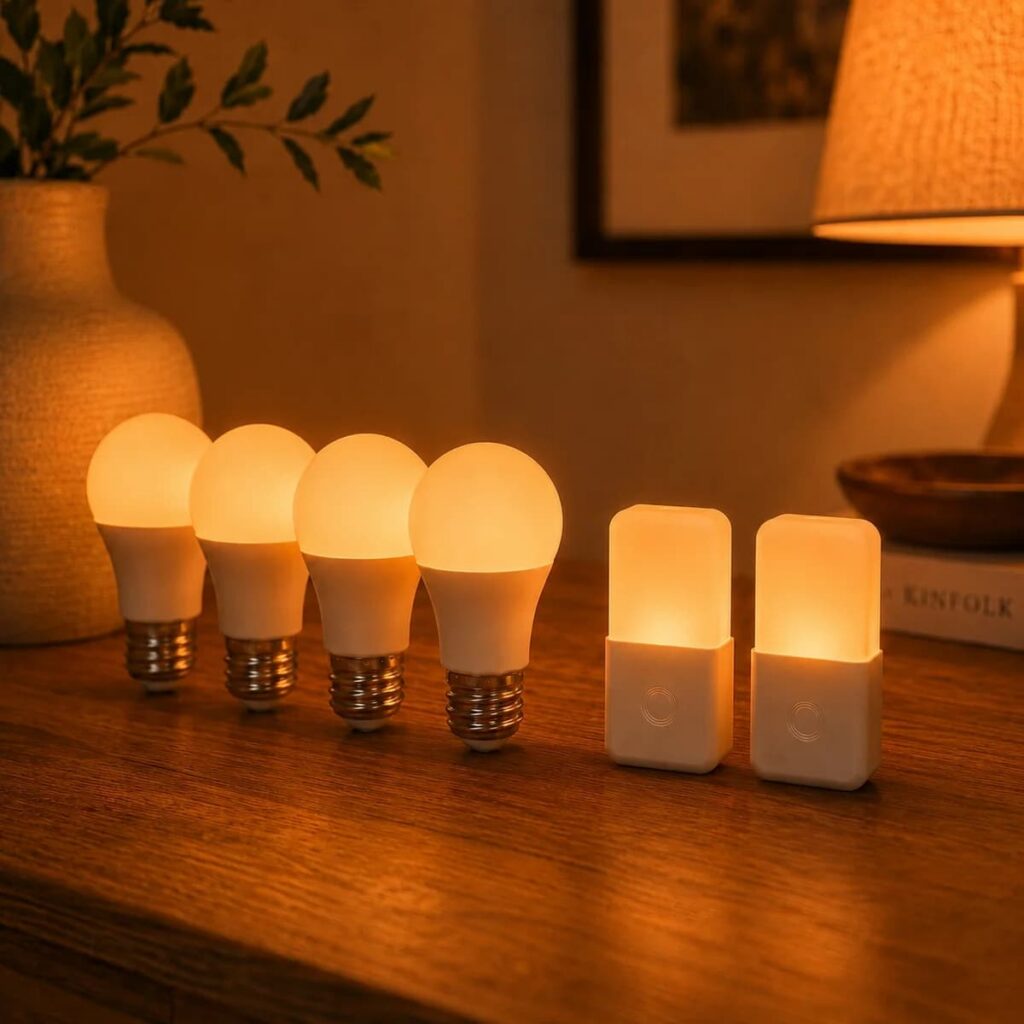
- Healthy Home (code WENDYKATHRYN for 10% off) — Best for circadian-friendly lighting: This is my favorite overall option for creating a more intentional lighting environment. They offer bulbs designed for different times of day, including recessed lighting options, and they are flicker-free and low-EMF.
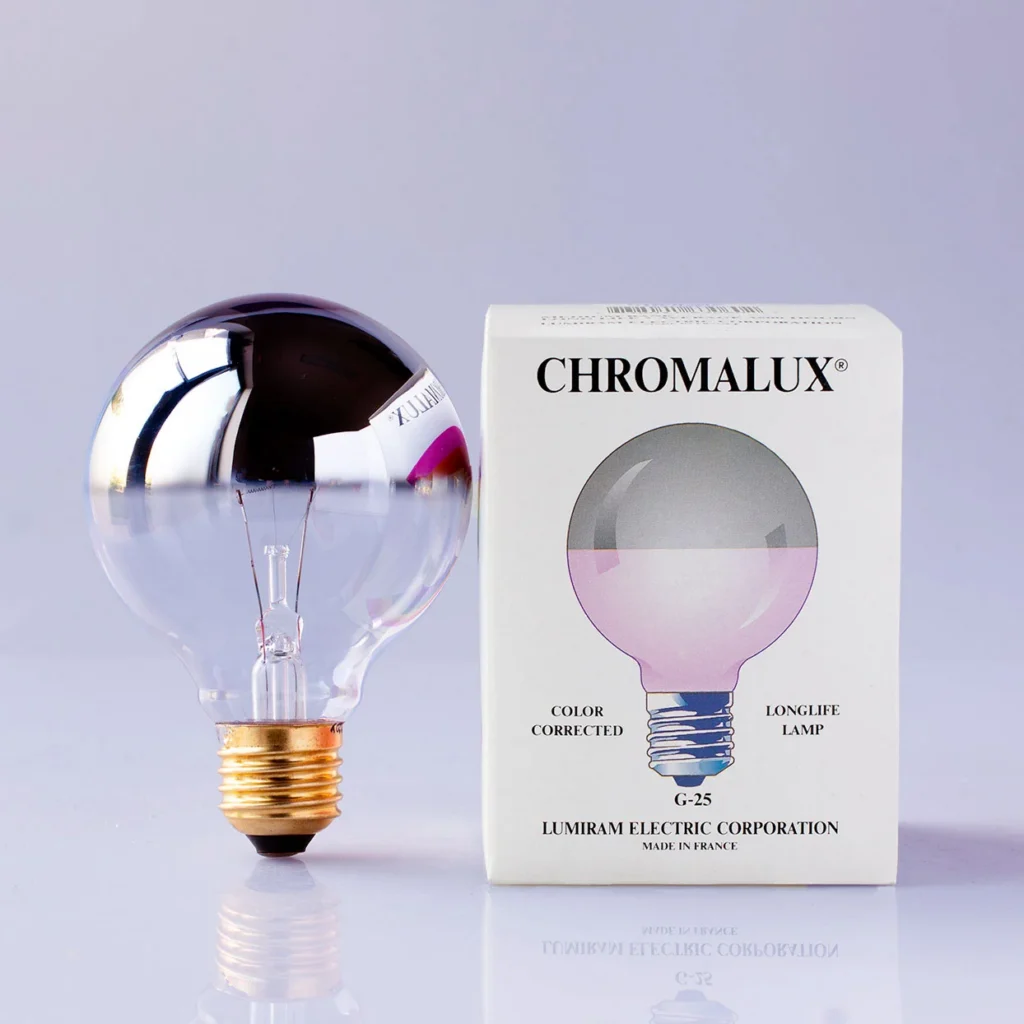
- Chromalux — Best for daytime lighting: Chromalux bulbs are incandescent and use neodymium glass to filter yellow tones, creating a bright, natural-feeling light. These are perfect if you live somewhere with long, dark winters or don’t get much natural light during the day.
- Bon Charge (code WENDYKATHRYN for 10% off) — Best for nighttime lighting: When it comes to evening and nighttime, I prefer going much warmer, sometimes all the way to red. Bon Charge carries red bulbs and red nightlights that are great for anywhere you need a little light without turning on a bright overhead bulb.
- Health Lighting — Another daytime-friendly option: Health Lighting is another company worth checking out for bulbs designed with your body’s natural light needs in mind.
- Tech Wellness — Best for reducing blue light: Tech Wellness offers lighting options designed to reduce blue-light exposure, making it another option to consider as you create a more evening-friendly environment.
- Block Blue Light — Best for evening and blue-light reduction: Block Blue Light offers bulbs and other lighting products designed to reduce blue-light exposure, especially in the evening.
Your Light Bulbs Are More Than a Design Choice
Choosing the right light bulb isn’t just about whether you prefer a room to feel bright and crisp or warm and cozy. The color, spectrum, brightness, and even flicker of your lighting can contribute to the overall environment you’re creating in your home.
You don’t need to make your home perfectly “circadian” to benefit from this. Even a few intentional lighting changes can help your indoor environment better reflect the natural rhythm of the day.
Pay attention to the lights you use most in the morning and evening. Consider brighter, more daytime-appropriate lighting while you’re awake, and gradually transition to dimmer, warmer, or red-and-amber light as the day winds down.
If you’re looking for an easy place to start, check out my favorite home-lighting products for circadian-friendly bulbs, daytime lighting, and red/amber nighttime options.


+ show Comments
- Hide Comments