
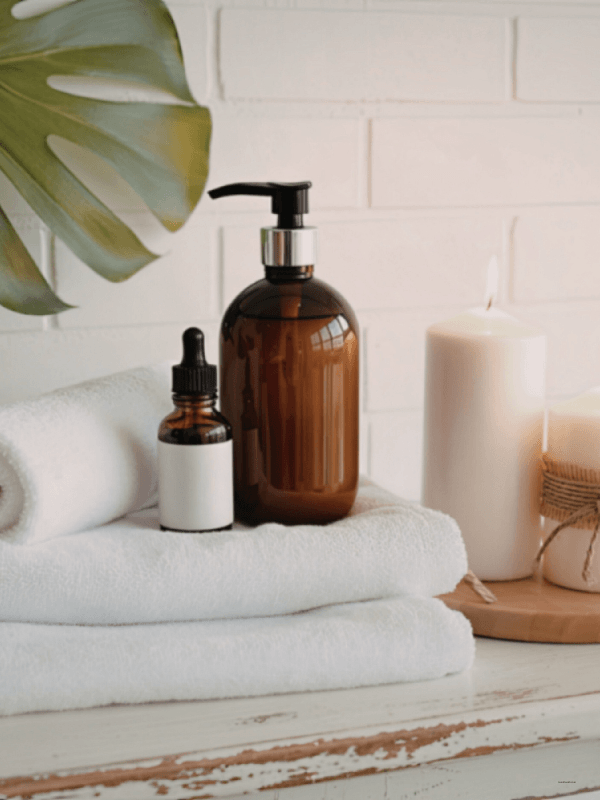


You just showered, so your towel is only touching a clean body. That’s the exact argument my teenagers make every time I try to get them to swap theirs out, and I get it, it sounds logical.
But towels collect moisture, dead skin cells, body oils, and microorganisms, and the longer they stay damp, the more hospitable they become to bacteria, yeast, and mold. Your body might be clean when you step out of the shower, and the towel still isn’t staying that way between uses.
But you don’t have to wash it after every single shower. Let’s not add one more thing to your cleaning routine!
So, How Often Should You Wash Your Towels?
It depends on what kind of towel we’re talking about.
As a general guideline:
- Bath towels: About once a week is a reasonable baseline for a towel that can dry completely between uses. If your towel stays damp for long periods, wash it more often.
- Hand towels: At least once a week, potentially more if you use them often and with less-clean hands.
- Washcloths: A few times a week because they have more direct contact with skin and can stay damp.
- Gym towels: After every use, especially if they’re sitting damp inside a gym bag afterward.
When someone in your household is sick, wash towels more often, especially if it’s a shared towel or you’re dealing with a skin infection, rash, or anything where hygiene matters more than usual.
A schedule helps, but the real deciding factor is how well your towels dry between uses. The wetter they stay, the more often they need to go in the wash.
Why Do Towels Get So Gross?
Your towel might feel clean because you just used it right after a shower, but that doesn’t mean it’s staying clean between washes.
Moisture is the biggest factor. Towels are designed to absorb water, which means they can stay damp for a while. When a towel stays damp for hours, especially in a humid bathroom, it creates conditions where bacteria, yeast, and mold can thrive. The longer it takes to dry, the more important it becomes to wash your towel regularly.
Your towel picks up more than water. Every time you dry off, it can collect:
- Dead skin cells
- Body oils
- Sweat
- Soap/product residue
- Environmental particles
- Microorganisms naturally found on skin
It may not look dirty, but those materials accumulate every time you dry off and give microorganisms something to feed on.
A Musty Smell Is a Sign Something’s Off
That unmistakable musty towel smell is a sign that your towel isn’t drying between uses or needs a good wash. If you’ve washed it and the smell comes right back, check how you’re hanging and drying it, too.
The Biggest Towel Mistake is Not Letting It Dry
If there’s one towel habit worth changing, it’s not leaving your towel damp. A wet towel that gets tossed over a hook, bunched up on the floor, or left in a humid bathroom can take much longer to dry than you realize, and that excess moisture is exactly what lets bacteria and mold multiply.
It’s a simple way to keep your bathroom cleaner without adding harsh products or extra laundry loads to your week.
A few habits that keep towels drier between washes:
- Spread your towel out after every use. Hang it over a towel bar rather than folding it over a hook so more of the fabric is exposed to air.
- Turn on the bathroom fan. Run it during your shower and for a while afterward to help remove excess humidity.
- Open the bathroom door after showering. If appropriate for your home, this can help moisture escape instead of lingering in the room.
- Let towels dry before putting them in the hamper. Tossing a wet towel into a laundry basket creates a damp environment where odors and microbial growth can develop.
Does Your Towel Material Matter?
Towels rub against your skin, so the material does matter, but choosing a natural or organic fiber doesn’t make a towel inherently bacteria- or mold-proof. If you’re trying to cut back on synthetic materials in your home, certain natural fibers are worth choosing.
When it’s time to replace a towel, certifications can tell you more about how the fabric was grown and processed.
Natural fibers to look for:
- Organic cotton: A soft, absorbent option that’s widely available. Look for GOTS-certified organic cotton when possible.
- Linen: Lightweight, breathable, and naturally quick-drying, making it a practical choice for a damp bathroom.
- Hemp: Durable and breathable, with a reputation for becoming softer with use.
- Organic Turkish cotton: Known for being absorbent while remaining relatively lightweight and quick to dry.
My Toxin-Free Towel Picks
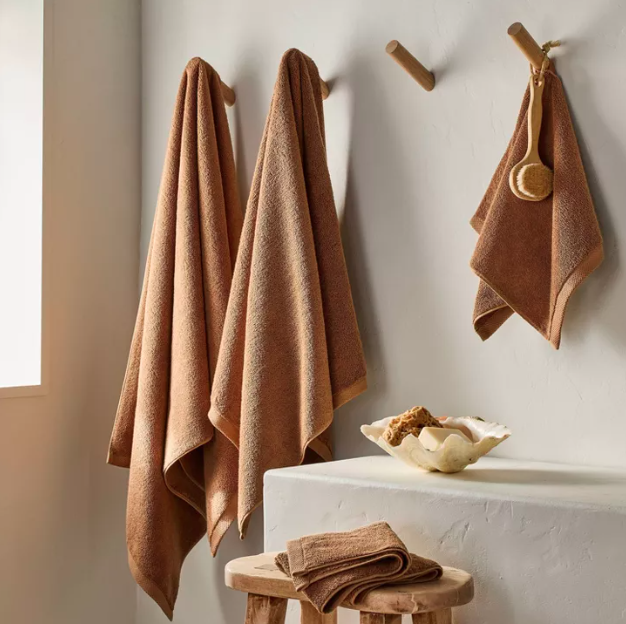
If you’re ready to swap out your towels, here are a few options I recommend for softer, more thoughtful materials without sacrificing everyday function.
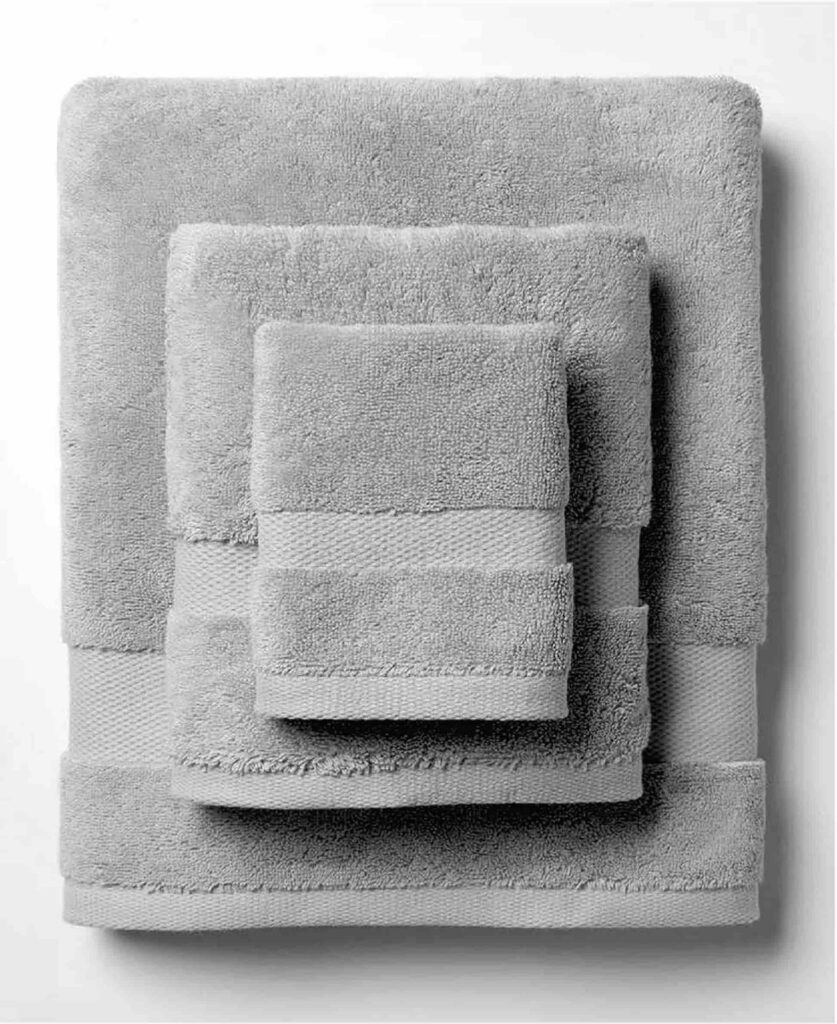
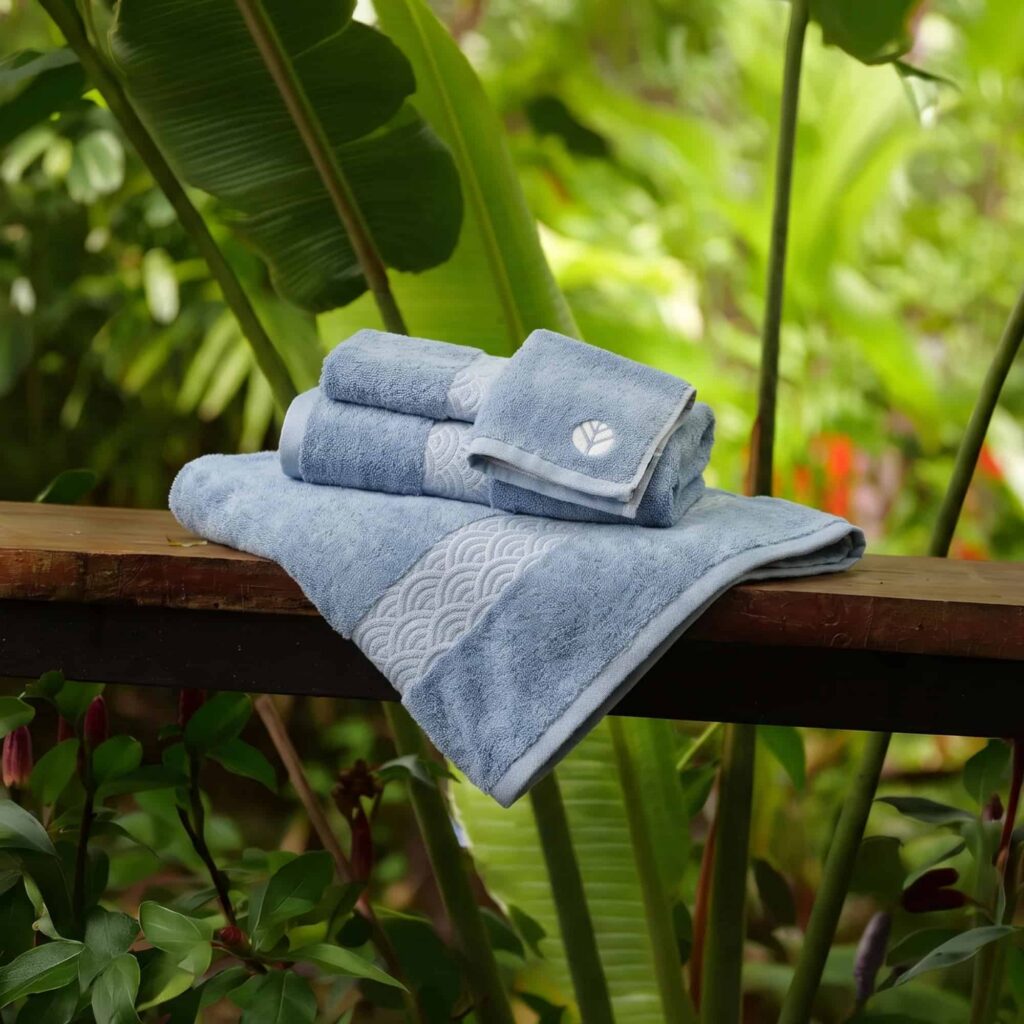
- Aizome Organic Cotton Towels (Code WENDY for 10% off): Made with GOTS-certified organic cotton and plant-based dyes, these are a great option if you want a more natural, long-lasting towel.
- Farm to Home Organic Cotton Towels: A GOTS-certified option that offers the softness and absorbency you’d expect from a traditional cotton towel.
- Casaluna Organic Cotton Towels: An accessible option for switching to organic cotton without investing in luxury-priced towels.
When Is It Time to Replace Your Towel?
- It stays musty after washing.
- It’s no longer absorbent.
- It’s rough, thin, or falling apart.
- It takes forever to dry.
- It has visible mold or mildew.
- You’re ready to make a lower-toxin swap.
Small Habits for Fresh Towels
You don’t need a perfectly toxin-free bathroom to start making more thoughtful choices. Most of it comes down to small habits:
- Let your towels dry all the way
- Wash them based on how you use them
- Reach for natural materials when it’s time to replace one
A few small swaps go a long way toward a cleaner, more comfortable bathroom for you and your family (and maybe one less argument with my teenagers about whether their towel needs a wash).

+ show Comments
- Hide Comments