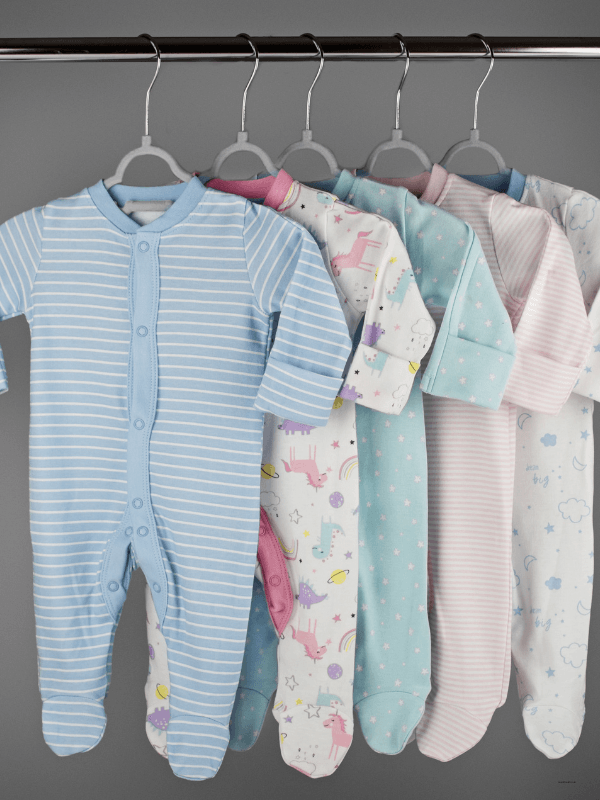


If you’ve spent any time looking into non-toxic baby clothes, you’ve probably noticed a pattern: the “clean” options always seem to live in the boutique aisle, with a price tag to match.
But the truth is, building a safer baby wardrobe isn’t about overhauling their entire closet or spending twice as much. It’s about knowing a few things to look for on a label and where to actually find them. Most of my go-to brands are sitting right on the shelves at Target, Gap, and Amazon.
Whether you’re trying to make better choices for your baby or preparing a baby registry for your new arrival, use this as your non-toxic baby clothes guide.
Why Fabric Choice Matters for Baby’s Skin
Baby skin is thinner and more permeable than adult skin because it’s still developing the protective layer we rely on. That means whatever touches it gets absorbed a little more easily, which is exactly why the fabric sitting against your baby’s skin all day (and night) is worth a second look.
Conventional baby clothing often goes through more processing than you’d expect, which means it usually has:
- Synthetic dyes
- Flame retardant finishes
- Wrinkle-resistant treatments
None of this means conventional baby clothing is something to panic over. It just means fiber choice is one of those small decisions that’s easy to make once you know what you’re looking for.
The 3 Things to Look For in Organic Baby Clothes
Once you know these three things, you’ll be able to spot the good stuff no matter where you’re shopping.
1. Fiber
Look for organic cotton, linen, or ethical wool instead of synthetic blends like polyester or nylon. Natural fibers tend to be softer and more breathable against delicate skin, and organic growing methods mean fewer pesticide residues end up in the final fabric. Fiber fabric is the easiest to find in stores.
2. Certifications
Third-party certifications like GOTS (Global Organic Textile Standard) and OEKO-TEX take the guesswork out of shopping. These labels confirm the fabric meets specific organic and safety standards from farm to finished garment.
If you see one of these on the tag, you can shop with a little more confidence in stores.
3. Dyes
Plant-based dyes are the gold standard, but they’re not always available at every price point. Low-impact dyes are the more accessible middle ground most brands use, and they’re still a solid choice.
What you’ll want to avoid entirely are flame-retardant treatments, which some conventional baby clothing carries to meet certain safety standards. These aren’t necessary when you’re already choosing naturally flame-resistant fibers like organic cotton or wool.
Where to Actually Buy Non-Toxic Baby Clothes
Most of the brands I recommend aren’t hiding in some hard-to-find corner of the internet. They’re sitting on shelves at Target, Gap, and Amazon, priced right alongside the conventional stuff. You just have to know which names to look for.
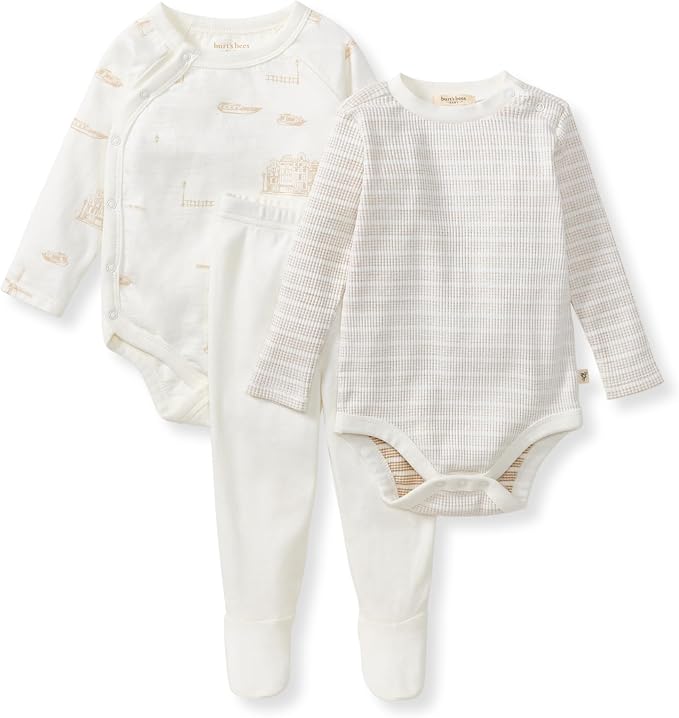
- Burt’s Bees Baby (my fave!): GOTS certified, widely available in US stores, reasonably priced, big selection of basics/PJs/outfits
- Carter’s Little Planet: Carries a large selection of organic cotton clothing for babies and toddlers.
- Gap’s organic cotton line: simple to search in-store or online, no special sourcing needed.
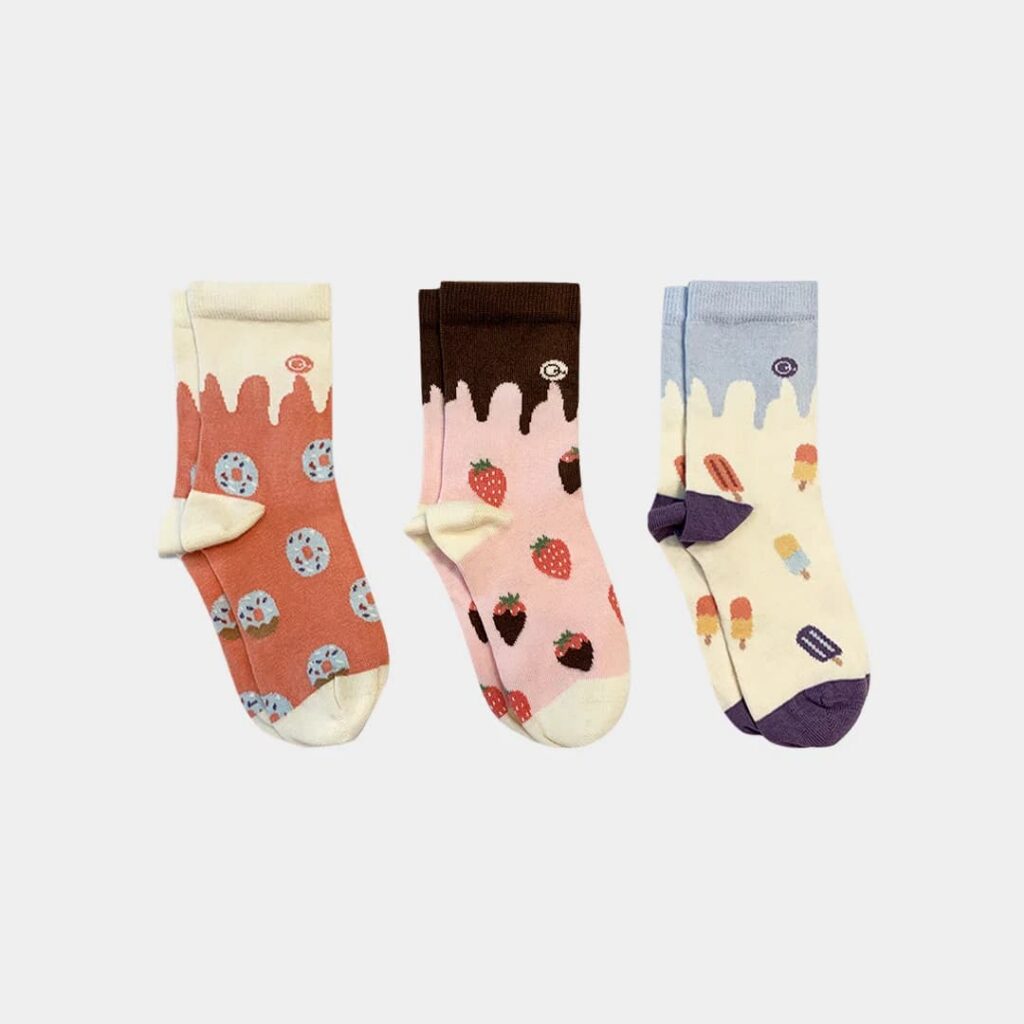
- Q for Quinn Plant-Dyed Baby Socks: These GOTS-certified, OEKO-TEX-certified, no-dye baby socks are my top pick.
The One Item Worth Upgrading First
If your budget is tight, start with socks and onesies. These are the two items that most often sit against the skin. Plus, they’re easier and cheaper to swap.
Q for Quinn Plant-Dyed Baby Socks are my top pick for socks. They’re GOTS- and OEKO-TEX-certified, with an affordable starting point.
Stretching the Budget Further
Secondhand and consignment shops are an underrated source for organic cotton pieces. Babies grow out of clothes so quickly that a lot of barely worn, high-quality items end up back in circulation for a fraction of the price.
If a full organic baby clothes swap isn’t in the budget just yet, that’s okay too. I know how expensive babies can be!
Washing new synthetic-blend items a few times before their first wear can help reduce surface residue from dyes and finishing treatments. It’s not a perfect fix, but it’s a reasonable middle ground while you build toward better options.
Focusing your budget where it matters most gets you the biggest benefit without needing to replace everything all at once.
Your Non-Toxic Baby Closet Starts Here
A non-toxic baby wardrobe really does come down to a handful of habits.
- Check the tag for organic cotton, linen, or wool.
- Look for GOTS or OEKO-TEX certification.
- Skip anything treated with flame retardants.
That’s it. Once you know what you’re looking for, it takes just a few seconds every time you shop.
And you don’t have to do it all at once, either. Start with the basics that sit closest to baby’s skin, like socks and onesies, and build from there as your budget allows. Small, consistent swaps add up faster than people expect.
If you’d rather skip the label-reading altogether, I’ve done the digging for you. My baby clothing shopping guide has all my favorite pieces linked. Take a look and start building your baby’s wardrobe with a little more peace of mind.
Looking to swap your own closet with non-toxic alternatives? Shop my natural fiber clothing staples.

+ show Comments
- Hide Comments