



If you color your hair regularly, you’ve probably never thought about what’s in your hair dye. You just go to the hair salon, get some slop on your head, and go home with a fresh color.
But traditional hair dye contains a lot of toxic ingredients. Episode 50 goes into more detail, but the main ones are:
- Ammonia
- Ethanolamine (EA)
- Resorcinol
- Skin sensitizers
If you’re trying to live a more non-toxic lifestyle, it’s time to start paying closer attention to what’s actually in your hair dye. But wanting a cleaner option and knowing how to ask for one at the salon are two very different things.
I gave up hair dye a few years ago, but you can still dye your hair and be more mindful of your exposure. Some professional hair dye lines avoid certain ingredients you may be trying to minimize, and some application techniques can reduce how much color touches your scalp.
The key is knowing what to ask your colorist. Here’s how to have that conversation, plus a few professional hair color lines worth asking your colorist about.
Know What You’re Actually Asking For
Before you ask your colorist for non-toxic hair dye, it helps to get specific about what you actually want to avoid. There isn’t one universal definition of what makes a hair dye non-toxic, and even cleaner formulas can contain synthetic ingredients.
Instead of focusing on finding a product with a “non-toxic” label, make a list of the ingredients you’re most concerned about. That gives you and your colorist something concrete to work with and makes it easier to compare professional formulas.
It’s also worth deciding how flexible you are with the result. If you’re willing to consider a different shade, a less dramatic color change, or a technique that keeps dye off your scalp, your colorist may have more options.
Ask Your Colorist What Hair Dye Line They Currently Use
Before asking your colorist to switch hair dye, find out what they’re already using. You may be surprised by what’s available at your salon, and knowing the exact brand and product line gives you something concrete to research.
Ask your colorist what professional color line they use and whether you can see the ingredient list.
From there, you can ask more specific questions based on the ingredients you’re trying to avoid:
- Does this formula contain PPD?
- Does it contain resorcinol?
- What does the formula use instead of ammonia?
- Is there a demi-permanent or semi-permanent option that would work for my hair?
- Do you carry a color line with fewer of the ingredients I’m trying to avoid?
You don’t need to walk into your appointment with a list of demands or expect your colorist to have an alternative for every concern.
Think of this as a conversation. Your colorist knows your hair and what results are realistic, while you get to decide which ingredients and tradeoffs matter to you.
Understand the Difference Between Permanent, Demi-Permanent & Semi-Permanent Color
Not all hair color works the same way. Understanding the differences can help you have a more informed conversation with your colorist about which option best fits your goals.
Keep in mind that all formulas can still contain ingredients you may want to avoid, so look at the ingredient list for the specific product.
Permanent Hair Color
Permanent hair color creates a lasting color change and is typically used when you want to significantly change your shade or cover gray.
It uses an oxidative process that allows the color to penetrate the hair shaft, usually with a developer. Because it alters the hair’s natural pigment, permanent color involves more chemical processing.
If you’re trying to minimize certain ingredients, ask your colorist about the specific formula they’re using, because not all permanent color is the same. Some professional permanent lines are already formulated without ingredients you may be trying to avoid.
Demi-Permanent Hair Color
Demi-permanent color deposits color with little to no lift, making it useful for refreshing your existing color, adding richness or shine, and blending some gray.
Because demi-permanent color doesn’t need to create the same degree of change as permanent color, it could be a good option if you’re happy with your natural depth and just want to enhance or refresh your shade.
Semi-Permanent Hair Color
Semi-permanent color deposits pigment onto the hair. It’s designed to wash out gradually, making it a good option if you want to experiment with a shade, refresh your color, or add temporary vibrancy without committing to a permanent change.
Ask If the Color Can Be Applied Off the Scalp
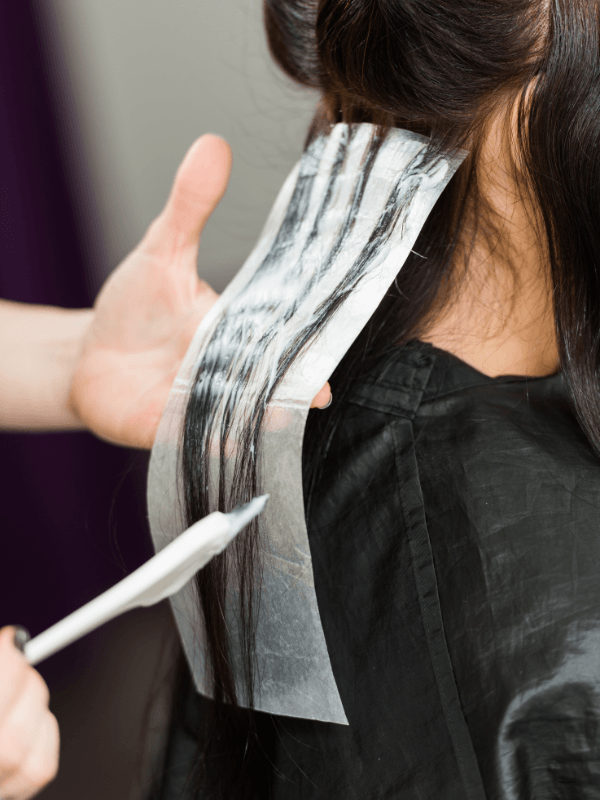
If you’re looking for another way to reduce your exposure to hair dye, ask your colorist whether the color needs to touch your scalp. Depending on the look you’re going for, different techniques let your colorist apply product to the hair while keeping it off the scalp.
This doesn’t make the hair dye itself non-toxic, but it can reduce direct contact between the product and your skin. If you’re already considering a different color technique, it’s a simple question to bring up at your appointment.
Don’t Let “Ammonia-Free” Be the End of the Conversation
Ammonia-free sounds good when you’re choosing a non-toxic hair dye, but it only tells you that one ingredient isn’t in the formula. It doesn’t say what it uses instead or what other ingredients the product contains.
Many ammonia-free formulas use another alkalizing agent, such as ethanolamine (MEA), to help open the hair cuticle and allow the color to work. If you’re trying to reduce your exposure to certain ingredients, choosing an ammonia-free product might not address your concerns.
You can also ask to see the ingredient list so you can look at the formula as a whole. The goal is to understand what’s in the product you’re putting on your hair and decide which ingredients you’re comfortable with.
Ask Your Colorist If They’ll Work With a Different Professional Line
If the hair dye your colorist uses doesn’t align with the ingredients you’re trying to avoid, ask whether they’re open to using a different professional hair dye line.
Your colorist may already carry a few options, or they may know professional lines that better fit your preferences.
Not every colorist will be comfortable using an unfamiliar product, especially if they haven’t been trained to work with it. It’s better to approach the conversation as a collaboration than to show up with a box of hair dye and ask them to use it.
If they’re willing to explore another option, bring them the exact product and ingredient list so they can determine whether it’s appropriate for your hair and the technique you’re having done.
Switching to a different professional line may come with some trade-offs. The new formula may not offer the same shades, gray coverage, longevity, or results as the color your stylist normally uses.
Your colorist can help you decide what is realistic while still moving toward the ingredients you’re more comfortable using.
What Kind of Hair Dye Do Professionals Use?
Professional colorists typically use professional-grade hair color lines designed to give colorists more control over shade, developer strength, application technique, and the final result.
The specific brand varies by salon and colorist. Professional lines can also vary significantly in their ingredients, so professional doesn’t automatically mean cleaner.
If you’re looking for a more toxin-free option, ask your colorist which professional line they use and whether they’re willing to work with another professional formula that better aligns with your ingredient preferences.
What to Look for in a Professional Line
Look for a professional hair color line that aligns with the ingredients you personally want to avoid, rather than relying on marketing terms. Depending on your priorities, you may want to look for formulas that are free from PPD, resorcinol, ammonia, or ethanolamine (MEA), and always check the full ingredient list.
Bring the Specific Product With You
If you’ve found a hair dye line that meets your ingredient preferences, bring it to your appointment. Having the product information on hand gives your colorist a chance to:
- Review the formula
- Check whether it works with their techniques and developer
- Determine whether it can achieve the result you want
Be Willing to Compromise on the Result
Choosing a hair dye based on the ingredients you want to avoid might mean making a few compromises with your final result. A formula that better fits your preferences may not offer the same shade range, gray coverage, longevity, or lifting ability as the product your colorist typically uses.
You may also need to consider whether you’re willing to change your color goals. If you don’t need significant lightening or full gray coverage, your colorist may have more options available.
My Non-Toxic Hair Dye Picks
If you’re looking for a starting point before your next salon appointment, I’ve already done some of the ingredient digging for you. No truly toxin-free permanent hair dye exists, but some formulas stand out for avoiding ingredients you may be trying to minimize.
Professional options:
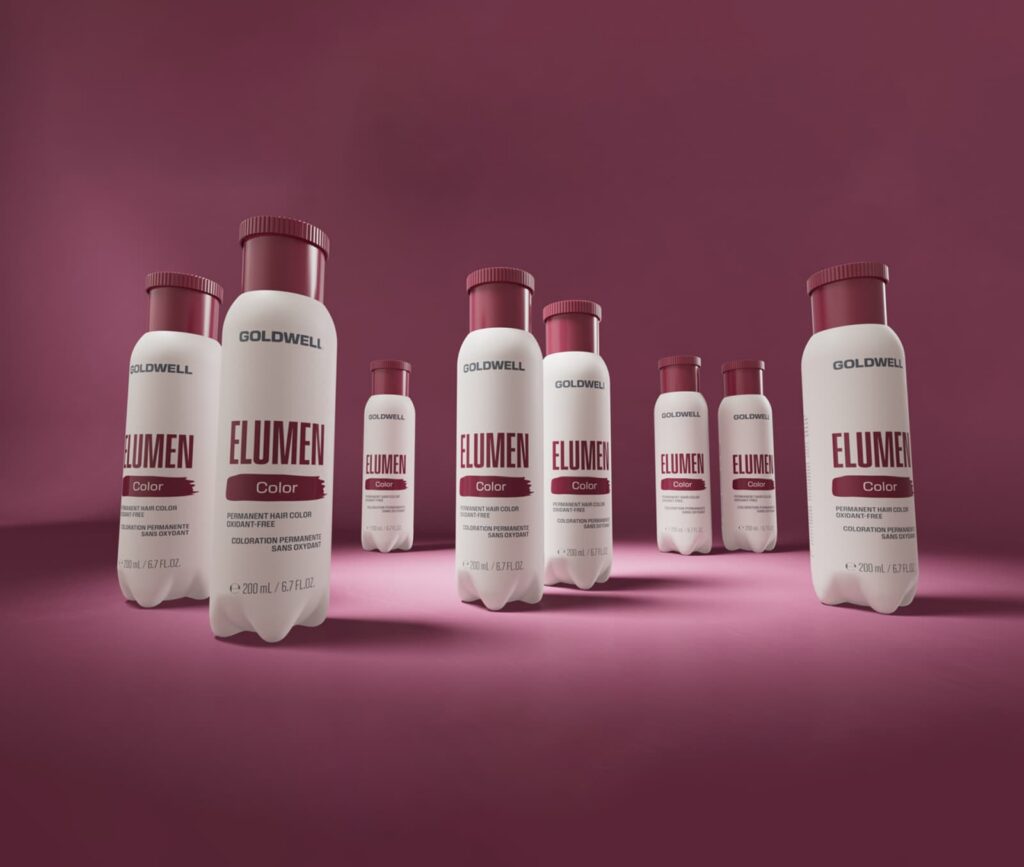
- Goldwell Elumen (my favorite permanent option): Does not use ammonia or ethanolamine as hair-shaft openers and is free of PPD and resorcinol, but still contains fragrance.
- YUV Permanent & Demi Color Cream: It uses ammonia as a hair-shaft opener, so it is more hair-damaging than Elumen.
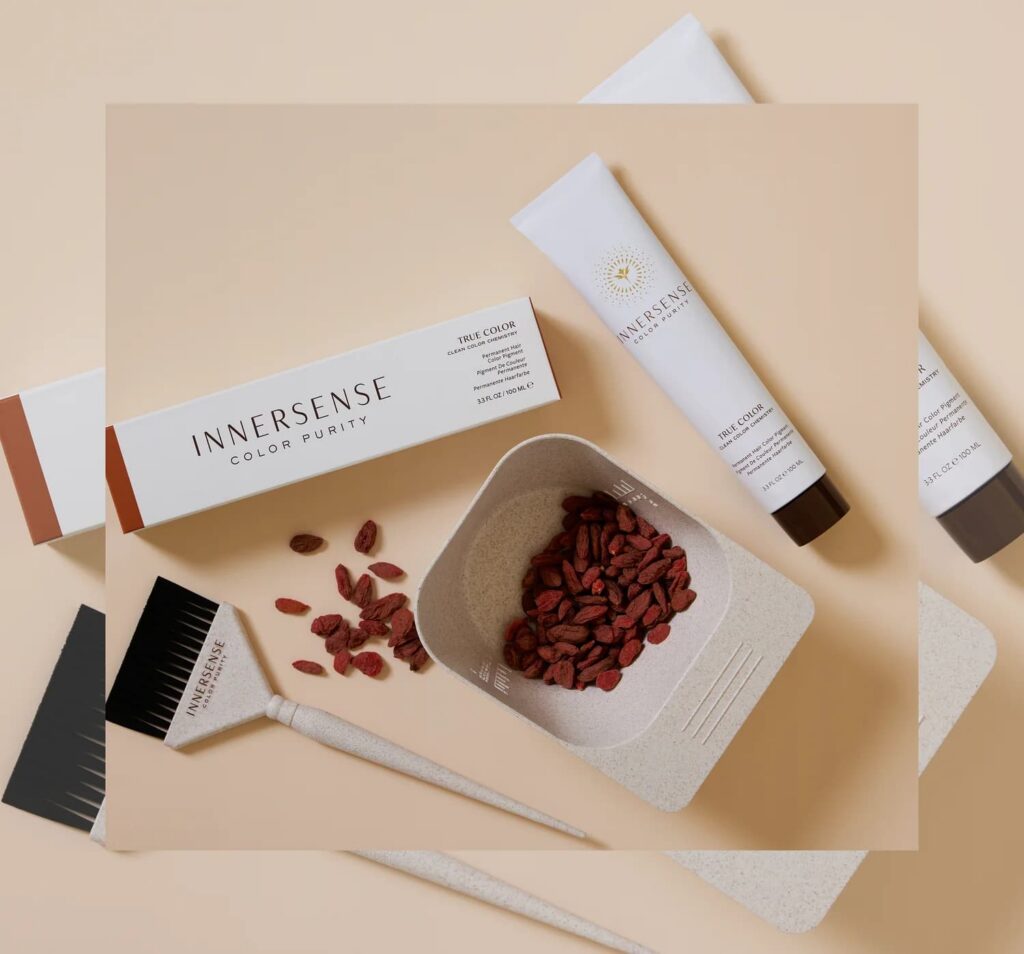
- Innersense Color Purity: Similar to YUV, except it uses Ethanolamine instead of ammonia as a hair shaft opener.
At-home options:
- Wella Koleston Perfect Me+: A professional permanent hair color line formulated with ME+ technology and designed for vibrant, long-lasting color and gray coverage.
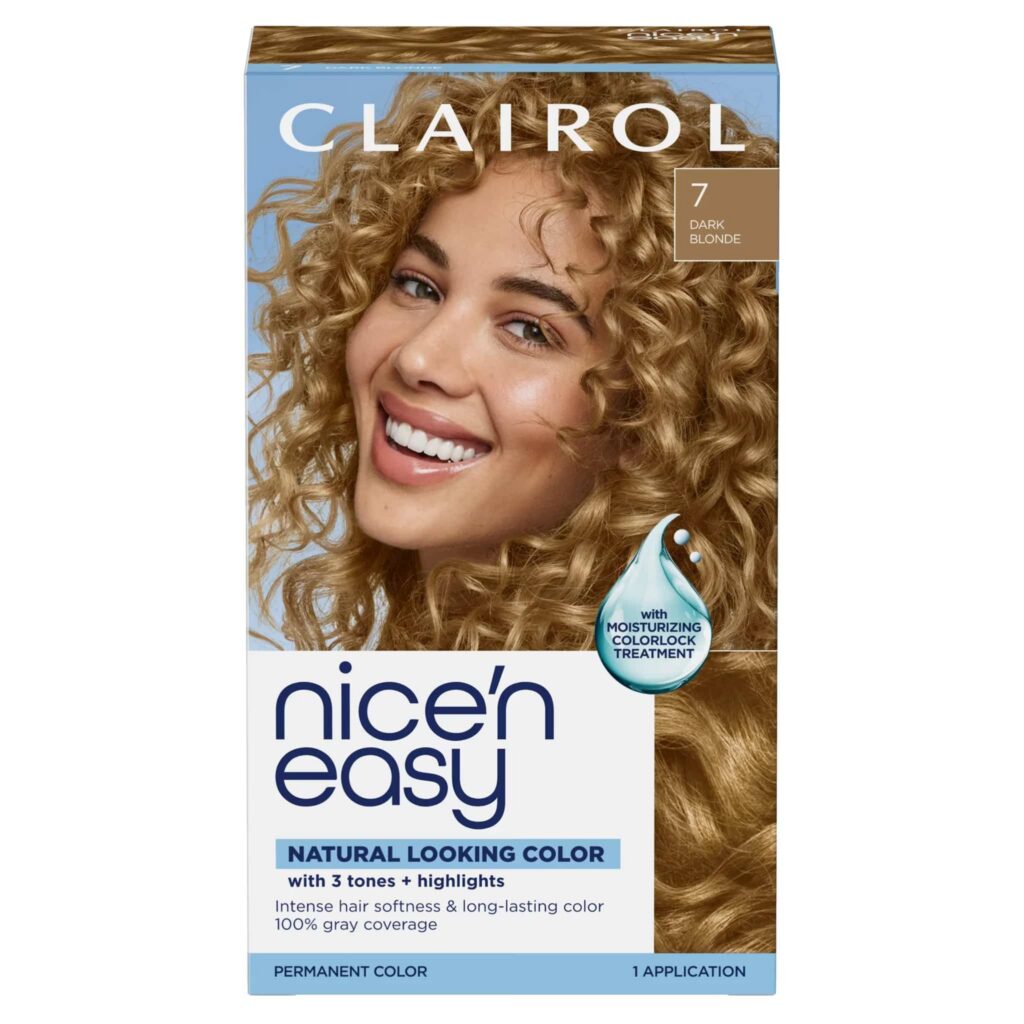
- Clairol Nice ’n Easy: An at-home permanent hair color designed to provide natural-looking, multidimensional color and gray coverage.
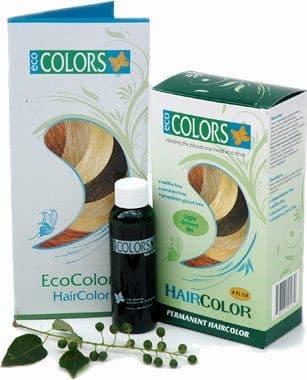
- Eco Colors: A professional hair color line marketed as a gentler alternative to conventional color, with formulas designed to minimize certain commonly avoided ingredients.
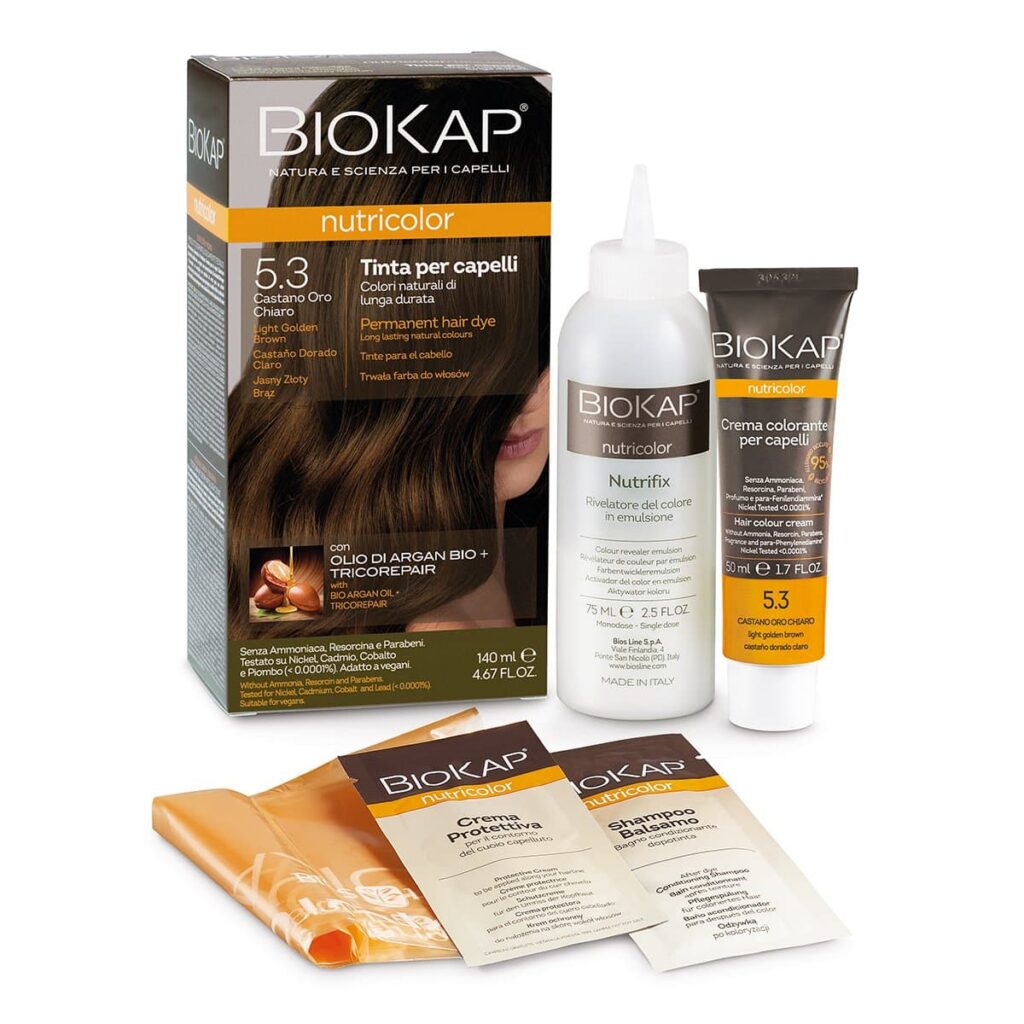
- Biokap Nutricolor: A permanent hair color line made with botanical ingredients and formulated without ammonia, parabens, resorcinol, or PPD.
Explore Non-Toxic Hair Dye Options Before Your Next Salon Appointment
I chose to give up hair dye, but you don’t have to, to be more intentional about the products you use. Start by figuring out which ingredients you want to avoid, then talk with your colorist about the professional formulas and application techniques that may work for your hair.
Shop my Toxin-Free Shopping Guide for professional and at-home options to research before your next appointment. Bring an open mind to your colorist so you can find an option that fits both your hair goals and your ingredient preferences.

+ show Comments
- Hide Comments