

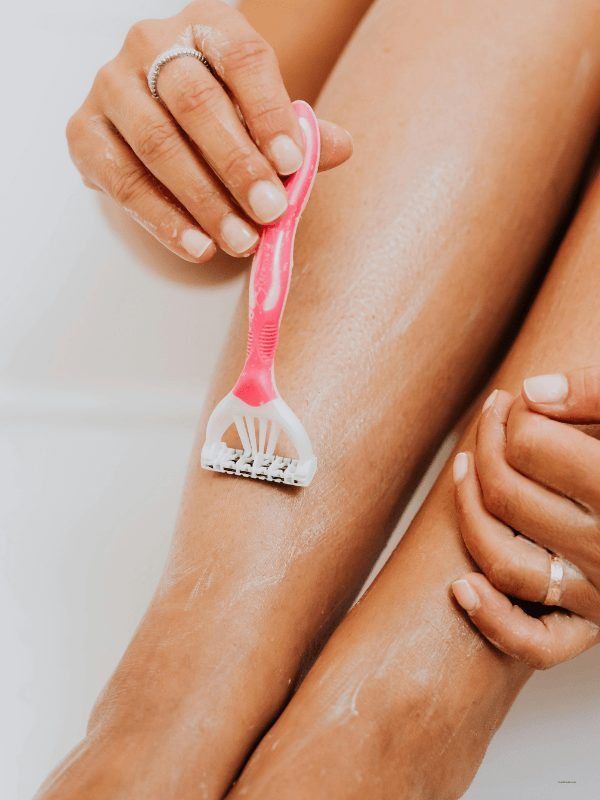


Most people think of shaving as a small, unavoidable expense, but those replacement cartridges add up. And it’s not just your wallet taking the hit because traditional razors and cartridges can create a surprising amount of plastic waste over time, especially when you consider how frequently they need to be replaced.
Switching to a reusable razor can help cut down on both. While you’ll spend a little more upfront, replacing inexpensive individual blades instead of entire cartridges can save you money in the long run and keep more plastic out of the trash.
How Much Do You Actually Spend on Razors?
If you’ve always grabbed the same razor cartridges at the store without thinking twice, you might not realize how much you’re spending on shaving throughout the year. A cartridge may only cost a few dollars at a time, but when you’re replacing it every few weeks, those purchases can quickly turn into a recurring expense.
Your actual cost depends on:
- How often you shave
- How long you use each cartridge
- The brand you buy
What is a Safety Razor?
A safety razor is a reusable razor that uses a single, replaceable blade instead of a disposable plastic cartridge. The handle and razor head are designed to last for years, while you simply replace the small metal blade when it becomes dull.
Unlike modern cartridge razors, which often have multiple blades attached to a plastic cartridge, a traditional safety razor has a single exposed blade with a protective guard. That guard helps reduce the risk of cuts while still allowing the blade to make close contact with the skin.
The biggest adjustment is learning how to use one, especially how much pressure to apply and how to hold the razor at the right angle. Once you get the hang of it, though, it can be a straightforward swap for a traditional razor.
How Much Does a Safety Razor Cost?
A safety reusable razor typically costs more upfront than a traditional disposable or cartridge razor, but that initial investment can pay off over time.
Depending on the brand and design, you might spend anywhere from around $20 to $100 or more for a reusable safety razor. The big difference is that instead of buying an entirely new plastic cartridge every few weeks, you only need to replace the small blade.
Safety razor blades are generally inexpensive, especially when purchased in larger quantities, which lowers the ongoing cost.
How Much Plastic Waste Could You Avoid?
A Washington Post report citing an EPA estimate notes that Americans throw away roughly 2 billion disposable razors and blades annually.
Switching to a safety razor can significantly reduce the amount of plastic you send to the trash over the years. With a traditional cartridge razor, you’re typically throwing away the entire cartridge when the blades become dull, including the plastic housing that holds them together.
With a safety razor, the handle is reusable, and you replace only the small metal blade. Exactly how much plastic you avoid depends on how often you shave and replace your cartridges, but the difference can add up quickly over several years.
For anyone trying to cut down on single-use plastics, it’s an easy bathroom swap that can make a noticeable difference over time.
Why Are Razor Cartridges So Difficult to Recycle?
Razors are made from a combination of materials that aren’t easy to separate. A typical cartridge usually contains plastic, metal blades, rubber or elastomer components, and other small pieces.
The metal itself may be recyclable, but most curbside recycling programs aren’t equipped to process these mixed-material cartridges. As a result, even a cartridge that contains recyclable materials will often end up in the trash once the blades are dull.
Is a Safety Razor Better for Your Skin?
A reusable razor isn’t automatically better for everyone’s skin, but some people find that the single-blade design makes shaving more comfortable and predictable.
Unlike a multi-blade cartridge, which passes over the skin several times in a single stroke, a safety razor uses a single blade to cut hair at the surface. With the right technique, this can help reduce the amount of repeated scraping across the skin.
What About the Ingredients in Conventional Shaving Products?
Most conventional plastic razors come with built-in “moisture strips” that often contain undisclosed fragrance, PEGs (ethoxylated ingredients), and preservatives that can release formaldehyde. These are all things you don’t want sitting on freshly shaved, more permeable skin.
How to Make the Switch to a Safety Razor
Using a safety razor does come with a bit of a learning curve, but once you get comfortable with the technique, it can be a simple toxin-free swap. A few small adjustments to your shaving routine can help you get a smooth shave while avoiding unnecessary nicks and irritation.
Start With the Right Reusable Razor
Choosing the right reusable razor can make the transition easier, especially if you’re new to safety razors.
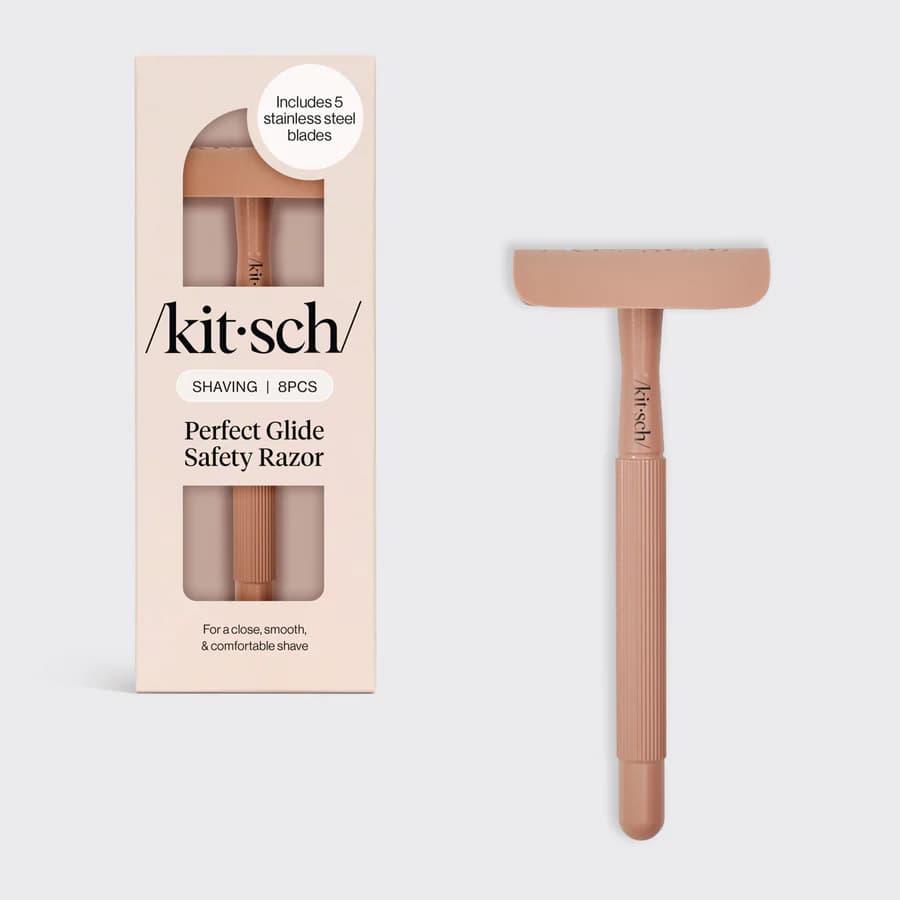
Here are my favorite razors:
Learn the Technique
Using a safety razor is a little different from using a traditional cartridge razor, but it’s not as intimidating as it might look.
- Prep your skin with warm water.
- Apply shaving soap, cream, or gel.
- Hold the razor at about a 30-degree angle, not pressing too firmly.
- Use short, gentle strokes.
- Shave with the direction of hair growth to minimize irritation.
- Rinse the razor frequently.
- Rinse and moisturize your skin.
- Clean and store your razor, allowing it to dry between uses.
- Replace the blade when it starts to pull or tug.
Go slowly and use a light touch. It may take a few shaves to get comfortable with the angle and pressure.
What to Use With Your Safety Razor
A good razor is only part of the equation. What you use before and after shaving can also affect how smoothly the process goes and how your skin feels afterward.
You don’t necessarily need a dedicated shaving cream, gel, or bar at all. A little conditioner or a gentle bar soap can provide enough slip for the razor to glide comfortably (that’s what I do), but if you prefer a product made specifically for shaving, pay attention to the ingredient list and packaging.
- Shave bars are a low-waste option with minimal packaging.
- Creams can provide more moisture and cushion but need preservatives because they’re water-based.
- Gels are the most processed option and may contain synthetic foaming agents, fragrance, or aerosol propellants.
No matter what you choose, look for simple, transparent ingredients and avoid undisclosed fragrance and synthetic dyes. Fragrance-free or minimally scented options are a good choice for easily irritated skin.
A Small Shaving Swap That Can Add Up
Switching to a reusable safety razor doesn’t have to mean completely overhauling your bathroom routine. It’s a relatively simple swap that can help you spend less on replacement cartridges and significantly reduce the waste you create over time.
If you’re ready to give it a try, start with a quality razor that fits your needs and pair it with simple shaving products you feel good about using.


+ show Comments
- Hide Comments