

Apple Podcasts | Spotify
When you think of pollution, I’m willing to bet the first image that comes to mind is muck in the sky. But what if I told you that according to the Environmental Protection Agency, the levels of indoor air pollutants in your home are between 2 and 5 times higher than outdoors.
So if you’re a citizen of a developed country who spends 90% of your time indoors, detoxifying your indoor air should definitely be a priority.
Today, I’m here to bust down the myth that we must constantly disinfect our entire house with products that are actively harming our health. Unfortunately, greenwashed cleaning products is common so let’s decide what to ditch.
Be sure to tune in to this episode because I’m exposing which companies are trying to pull the wool over your eyes with greenwashing tactics.
This is the third and final installment of my Spring Cleaning Series so if you’re currently in clean up mode like I am, go check out my last two episodes for the full scoop.
- Episode 12: Spring Cleaning: Why You Should Detox Your Laundry Detergent
- Episode 13: Spring Cleaning: Why You Should Ditch the Toxic Dryer Sheets
In this Episode, I Cover:
- Why it’s important to use cleaning products that take our air quality into account
- Why disinfectants are one of the highest rated toxic chemicals that you have in your home!
- What products and ingredients to avoid while shopping for cleaning products
- DIY cleaning solutions that are easy and affordable to make
What is Greenwashing?
Greenwashing is a marketing tactic companies use to make products appear “clean” or eco-friendly with labels like “all natural,” “vegan,” or “cruelty-free,” even when the products contain toxic ingredients.
The growing consumer interest in safer, non-toxic products creates a catch-22: while wanting cleaner products is positive, it has fueled corporate greenwashing. Many companies prioritize marketing their products as toxin-free over actually making them safe, manipulating consumers into believing they’ve made a healthy choice.
That’s why you can’t trust the labels you see on products. You have to know how to read ingredient labels for yourself.
Effects of Poor Indoor Air Quality
According to the World Health Organization, around 2.9 million people a year die from exposure to household air pollution. The products we use in our attempt to clean our house often make our environment untenable and we don’t even realize it.
Poor indoor air quality has been linked to all kinds of health issues, like:
- Asthma
- Pneumonia
- Lung cancer
- Pulmonary disease
- Heart attacks
The top two sources of your indoor air pollution are from cooking and cleaning, two things we do almost every day. Disinfectants are one of the highest indoor toxic chemicals, which is why I rarely disinfect anything. I’m more concerned about toxins than I am about germs.
Companies Greenwashing Their Cleaning Products
There are several concerning ingredients in typical cleaning products, such as phthalates, fragrances, chlorine bleach, 1,4 dioxide, chloroform, and formaldehyde. I don’t know about you, but I don’t want to be spraying these chemicals in my home and breathing them in all day.
These popular companies have these ingredients and should be avoided:
- Clorox
- Febreze
- Lysol
- Mr. Clean
- Simple Green
- Method
- Mrs. Meyers
- Seventh Generation
And lots more. Learn how to read labels to spot concerning ingredients or use my shopping guide to buy products that I’ve vetted.
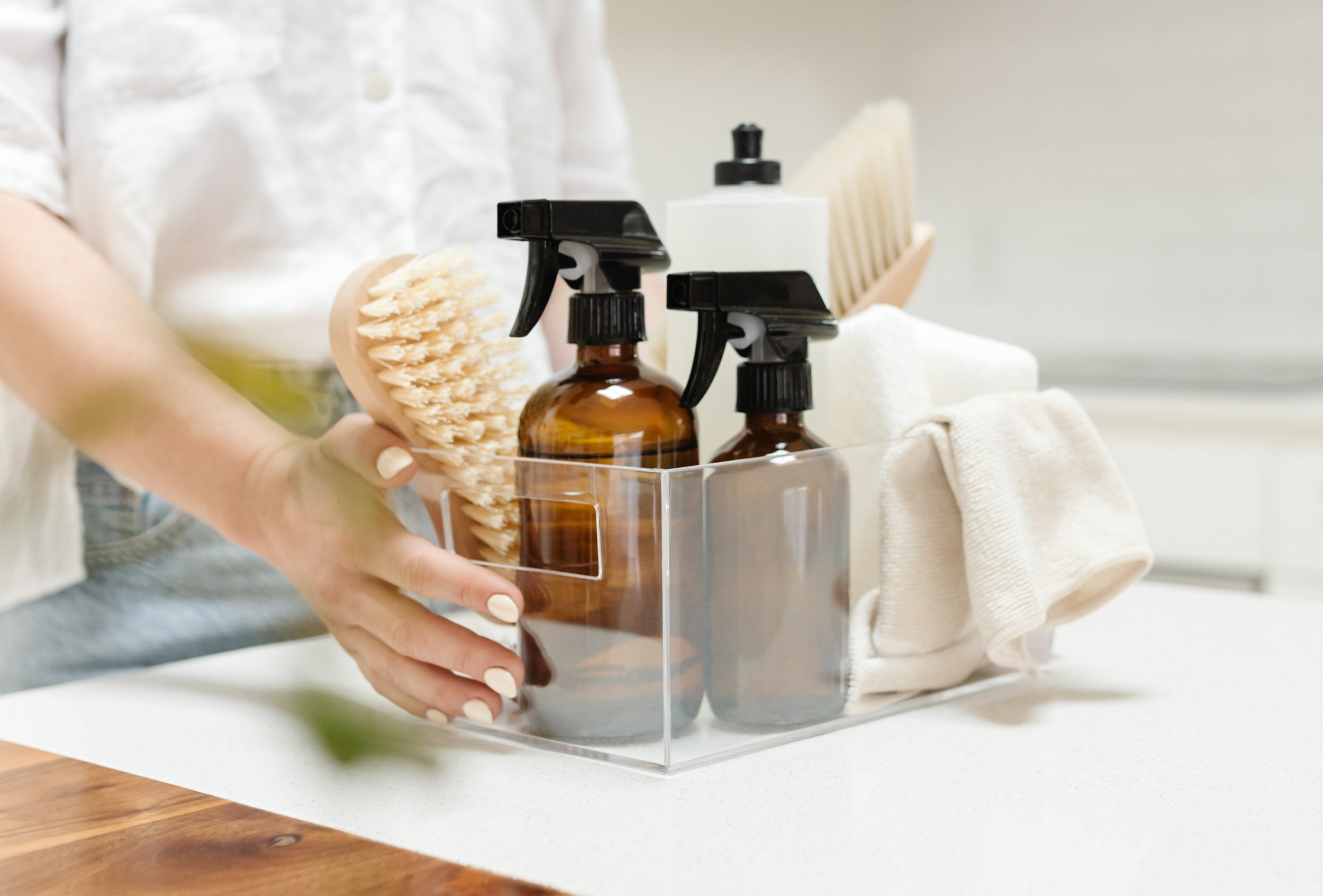
Affordable Non-Toxic Cleaning Solutions
I exclusively clean my home with Thieves. It’s a company I’ve used for years and love everything they have to offer.
Thieves is a pretty affordable non-toxic brand. Their cleaning products are concentrates so you mix it with water and can make several bottles of cleaning solution from the one bottle of concentrate.
Here are some other companies I love:
- Truly Free
- Meliora
- Humble Suds
- Aunt Fannie’s
- Molly’s Suds
Shop all my recommendations and get some discounts in my Toxin Free Shopping Guide.
Audit Your Cleaning Products
You might have some greenwashed cleaning products in your home – go ahead and just throw those out. Swapping your cleaning supplies is one of the best things you can to do detox your home. Put that on your list this spring cleaning season!
FAQs About Greenwashed Cleaning Products
Look beyond buzzwords. Check the ingredient list, certifications from trusted third-party organizations, and avoid vague claims like “eco-friendly” or “safe for the planet” without specifics.
Companies know consumers care about toxicity and sustainability. Greenwashing allows them to charge a premium while giving the illusion of safety, even if the product contains harmful chemicals.
Look for transparent ingredient lists, verified eco-certifications, and independent testing. Research brands and prioritize those committed to full transparency over marketing claims.
Extra Resources
- Download your free Green Cleaning Guide
- Shop Green Cleaning Brands
Related Episodes
- Episode 1 : What the F*ck is an Endocrine Disruptor, Anyway?
- Episode 2: The Fragrance Dilemma: How an Entire Industry Hijacked Your Hormones
- Episode 13: Spring Cleaning: Why You Should Ditch the Dryer Sheets
- Episode 12: Spring Cleaning: Why you Should to Detox Your Laundry Detergent
- Episode 137: Why That Plant-Based Ingredient Is Just Greenwashing!
IF YOU ENJOYED THIS WEEK’S EPISODE, PLEASE:
- Leave a positive review or rating wherever you listen.
- Shop toxin-free products on my Toxin Free Shopping Guide.
- Get Wendy’s Top 25 Toxins to Avoid free download
- Post a screenshot, what you loved, and tag me on Instagram @wendy_toxinfreeish.

+ show Comments
- Hide Comments