

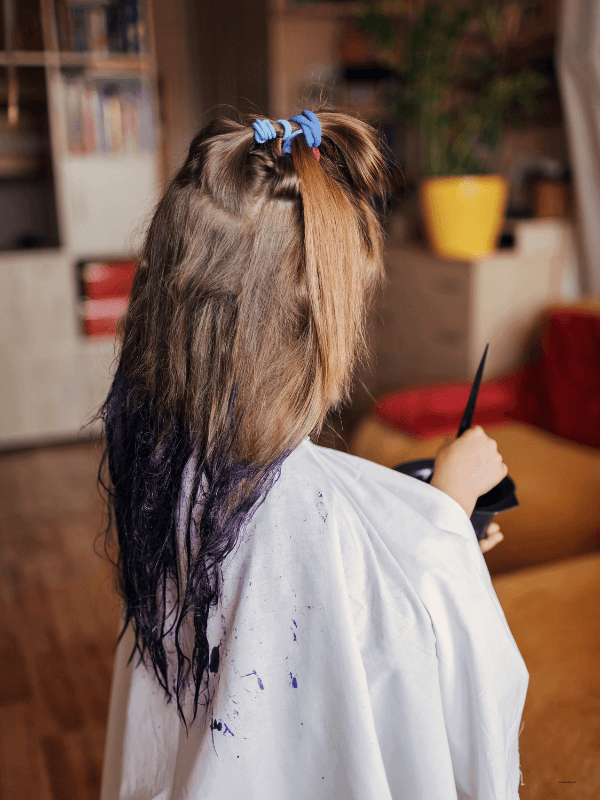


I used to be an avid hair dyer. I’d head to the salon and let them slather blonde dye all over my head because those grays weren’t going to cover themselves!
But a few years ago, I decided hair dye wasn’t an “ish” I was willing to compromise on, so I decided to stop coloring my hair.
Does that mean you have to give up your favorite hair color to live a lower-tox lifestyle? Absolutely not.
There are alternatives worth exploring, whether you prefer coloring your hair at home or letting a professional handle it. The trick is knowing what’s in your hair dye because ammonia-free, plant-based, and non-toxic don’t automatically mean a product is a non-toxic choice.
Let’s talk about the ingredients worth knowing about, how at-home and salon coloring compare, and the safest hair dye options you can explore based on your priorities and budget.
What’s Actually Concerning About Conventional Hair Dye?
Not all hair dye formulas are created equal. Different products use different ingredients, and the formula matters more than whether you buy it in a box or get it applied at a salon.
If you’re trying to reduce your exposure to toxic ingredients in hair dye, here are a few worth knowing about.
- PPD (p-phenylenediamine): Commonly used in permanent hair dyes to create long-lasting color. It’s also a well-known cause of allergic contact dermatitis, which can cause an itchy, inflamed rash.
- Ammonia: Used in some permanent hair color formulas to help the dye penetrate the hair. It can irritate the eyes, skin, and respiratory tract, particularly during application.
- Resorcinol: Found in some oxidative hair dyes and associated with health and environmental hazard concerns.
- Fragrance: A broad label that can represent a mixture of fragrance ingredients. Some can trigger irritation or allergic reactions in sensitive individuals.
- Persulfates: Commonly found in hair bleaching and lightening products. These ingredients can irritate the skin and respiratory tract and may cause allergic reactions.
You don’t need to panic if you’ve ever used a product containing one of these ingredients. The potential risks depend on the ingredient, the amount and type of exposure, and individual sensitivities.
But if you’re working toward a lower-tox lifestyle, knowing what’s in your hair dye gives you the information you need to decide what you’re comfortable using.
Does “Clean” or “Non-Toxic” Hair Dye Mean Safer?
Not necessarily. Things get tricky when terms like clean, natural, and non-toxic aren’t standardized guarantees of safety. A product can use these terms in its marketing without meeting a universal definition of what they mean.
You can’t rely on what’s on the front of the package. You need to learn how to read ingredient labels and understand what they mean. I can teach you how to do that in my course, Toxin Free in 3.
Look for specific ingredients you want to avoid, and don’t assume that a product is automatically better just because it contains plant extracts or leaves out ammonia.
Is Box Dye Bad for Your Hair?
Box dye isn’t automatically bad, but some formulas come with trade-offs. Compare different formulas and choose an option that better aligns with your priorities. Just remember that salon products can contain similar ingredients, so switching from box dye to professional color doesn’t automatically solve the problem.
How Hair Dye Exposure Happens
When we’re talking about hair dye ingredients, the formula is only part of the picture. How you use the product matters, too.
Exposure can happen through:
- Skin contact: Dye can contact your scalp, hairline, hands, and neck during application.
- Inhalation: Fumes or airborne particles may be released while mixing or applying certain coloring and lightening products.
- Eye contact: Splashes or accidental contact can irritate your eyes.
Your exposure depends on the product, the application process, and how often you use it. For example, a hairstylist who handles color products throughout the workday may have more frequent occupational exposure than someone who colors their hair a few times a year.
At-Home vs. Professional: Which Is the Safest Hair Dye Option?
Is it better to grab a box of color from the store or book an appointment with your stylist? If you’re focused on reducing your toxin exposure, the answer isn’t as simple as one being good and the other being bad.
At-Home Hair Dye
Box dye is convenient, budget-friendly, and lets you choose a product based on its ingredients before you buy it. You can compare formulas, research specific ingredients, and decide which ones you want to avoid.
The downside is that you’re responsible for applying the product correctly. I don’t know about you, but the few times I tried at-home hair dye, it did not go well, and I ended up back at the salon.
Poor ventilation, unnecessary skin contact, and frequent or repeated applications can increase avoidable exposure. And if you choose a color that’s difficult to achieve at home, correcting it later can mean even more processing.
If you go this route, read the instructions, wear the recommended gloves, and use the product in a well-ventilated space.
Professional Hair Dye
A good colorist can help you find a shade that works for your hair, apply products precisely, and recommend a lower-maintenance technique that means fewer touch-ups.
But the catch is that you might not have a choice in the brand that’s used. Salons usually carry conventional formulas containing ingredients to avoid. While professional application limits exposure, it doesn’t prevent it entirely.
Start with a conversation with your colorist. Ask which color line they use, whether they can share the ingredient information, and what alternatives are available if you want to avoid particular ingredients.
I’ve put together a guide on how to talk to your colorist about choosing a cleaner hair dye line if you’re not sure what to ask.
So, Which Hair Dye Option Is Better for You?
It depends on your priorities.
- Want more control over ingredients? At-home products make it easy to research a formula before purchasing. A salon can also provide ingredient information if you ask.
- Want to spend less? At-home coloring is usually more affordable, but supplies and potential color corrections can add up.
- Want to color your hair less often? A stylist can recommend a lower-maintenance color or technique that stretches the time between appointments.
- Want to limit skin contact or fumes? Both options require precautions, and the specific product and application process matter.
Don’t get hung up on whether at-home or professional color is inherently “safer”. Start with the ingredients and the way you use the product, then choose the option that makes the most sense for you.
What Is the Safest Hair Dye to Use at Home?
If you want to color your hair at home while avoiding certain ingredients, there are several types of products worth exploring. Your preferred shade, how long you want the color to last, and the ingredients you’re trying to avoid will all affect your options.
PPD-Free Hair Dye
PPD is a common ingredient in permanent hair dye and a well-known contact allergen. If it’s an ingredient you want to avoid, you can look for products marketed as PPD-free.
Just don’t stop reading the label there. Some formulas use alternative dye ingredients, including toluene-2,5-diamine (PTD or PTDS), which can also trigger allergic reactions. PPD-free doesn’t mean allergy-free, and it doesn’t mean a product meets every low-tox preference.
If you’re avoiding PPD because you’ve reacted to hair dye before, a dermatologist can help you understand which ingredients to avoid.
Hypoallergenic Hair Dye
You’ll also see hair dyes marketed as hypoallergenic. These products are intended to be less likely to trigger allergic reactions, but the term doesn’t guarantee a formula won’t cause one.
Look for a complete ingredient list and check whether the product excludes the ingredients you’re concerned about. If you’ve experienced a previous reaction, talk to a dermatologist before trying another dye.
Plant-Based Hair Dye
Plant-based dyes, including products made with henna or indigo, are another option. Depending on the formula, they can help you avoid certain ingredients commonly used in conventional permanent hair color.
There are a few trade-offs to keep in mind:
- Plant-based dyes may offer fewer shade options.
- They generally aren’t a straightforward way to lighten your natural hair color.
- Correcting or changing the color later can also be more complicated.
Products marketed as henna don’t mean they only have plant ingredients. Some products include added synthetic dyes, and botanical ingredients can cause reactions, too. Check the full ingredient list, so you know what you’re actually using.
Are There Ways to Reduce Hair Dye Exposure Without Giving Up Color?
I decided hair dye wasn’t worth the trade-off for me, but you don’t have to make the same choice. If you love your color, you can use it more intentionally.
- Choose a lower-maintenance color. Balayage, highlights, or root blending may help you go longer between appointments. Depending on the technique, you may also be able to reduce how often color is applied directly to your scalp.
- Ask about bleach and lightening products. These can contain persulfates, which can irritate the skin and respiratory tract. Ask your stylist which products they use and how they manage exposure during application.
- Minimize skin contact. If you’re coloring at home, avoid getting dye on your skin as much as possible.
- Improve ventilation. Use hair color in a well-ventilated area, especially when mixing products or using lighteners that may release fumes or airborne particles.
- Avoid unnecessary repeat applications. Follow the manufacturer’s instructions, and avoid applying permanent color over previously colored lengths when you don’t need to.
- Check the ingredients each time. Formulas can differ between products, even within the same brand. Look for the ingredients you specifically want to avoid rather than relying on labels like natural or ammonia-free.
Learn about the ingredients that matter most to you, and then make changes as you find products and routines that fit your needs.
How to Choose a Cleaner Hair Dye That Fits Your Budget
Choosing a cleaner hair dye doesn’t have to mean spending a fortune. The key is deciding which ingredients you’re prioritizing, what kind of color you want, and how much you’re comfortable spending.
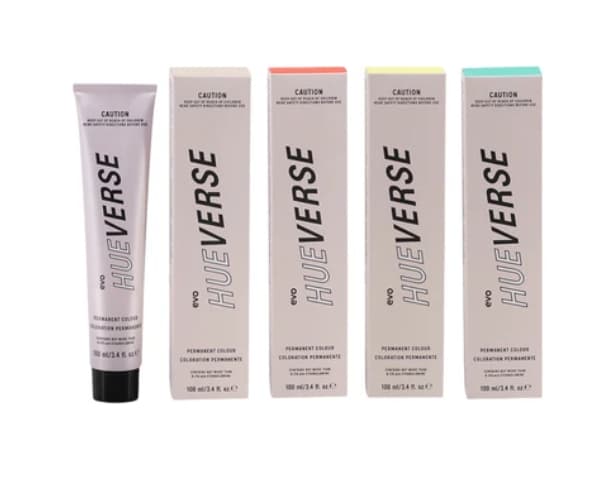
These are a few products you can research as you compare at-home color options:
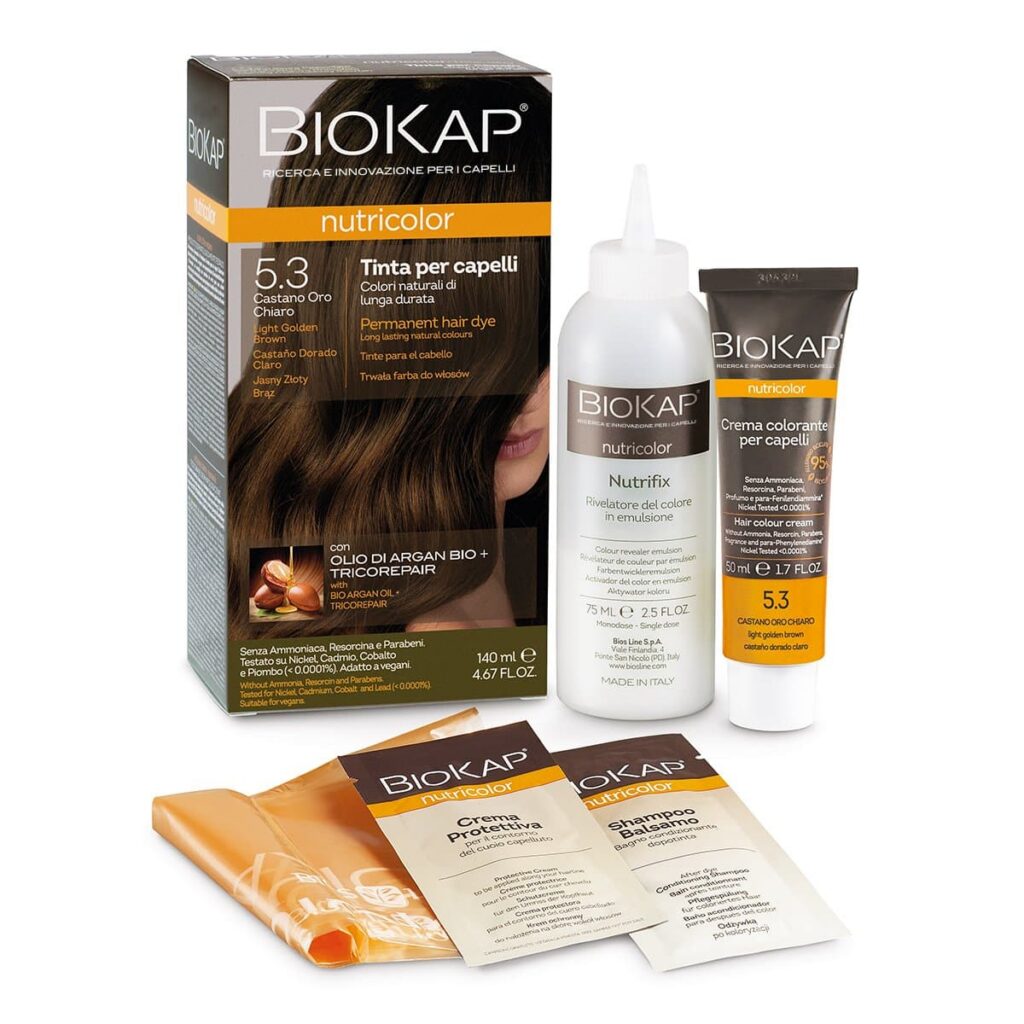
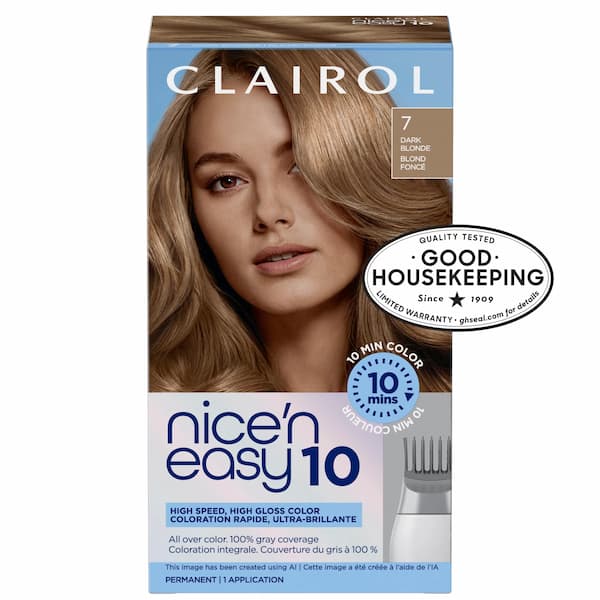
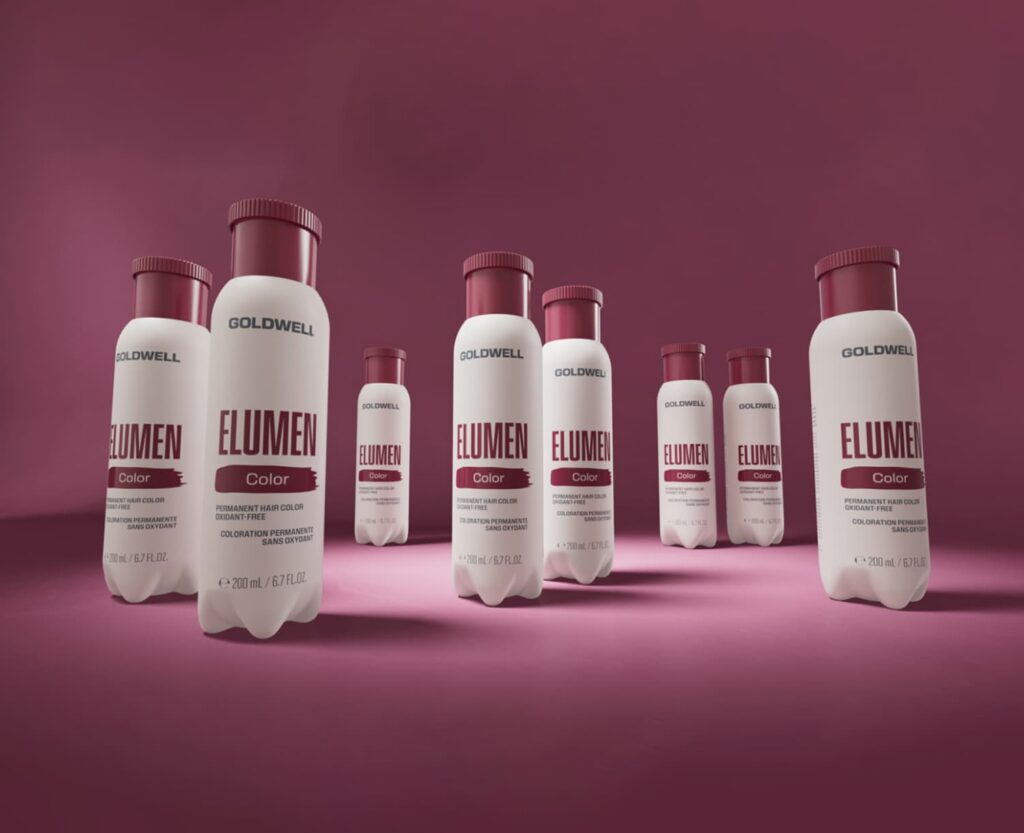
If you’d rather leave the coloring to a stylist, these are professional color lines you can ask about:
Where to Find Cleaner Hair Dye Options
You don’t have to follow my lead and give up hair dye to embrace a lower-tox lifestyle. For me, avoiding hair dye was a personal choice. For you, it might mean switching formulas, coloring your hair less often, or asking your stylist some new questions. There’s no single approach that works for everyone, and you get to decide which ingredients you’re comfortable using.
If you’d like help narrowing down your options, check out my Toxin-Free hair dye guide. It’s a starting point for exploring alternatives and finding products worth researching based on your own priorities.
Living a lower-tox lifestyle is about knowing what you’re bringing into your life and making decisions that feel right for you.

+ show Comments
- Hide Comments